
Hartford Drywall Pros

Drywall for Hartford houses where nothing behind the wall is standard

Four crews, quotes written after somebody has opened the wall and looked, and three coats of compound with a drying day between each of them.

Drywall contractors in Hartford, on houses that were plastered first

You get walls and ceilings that read flat under a raking light, in a house that has never once had a flat one.

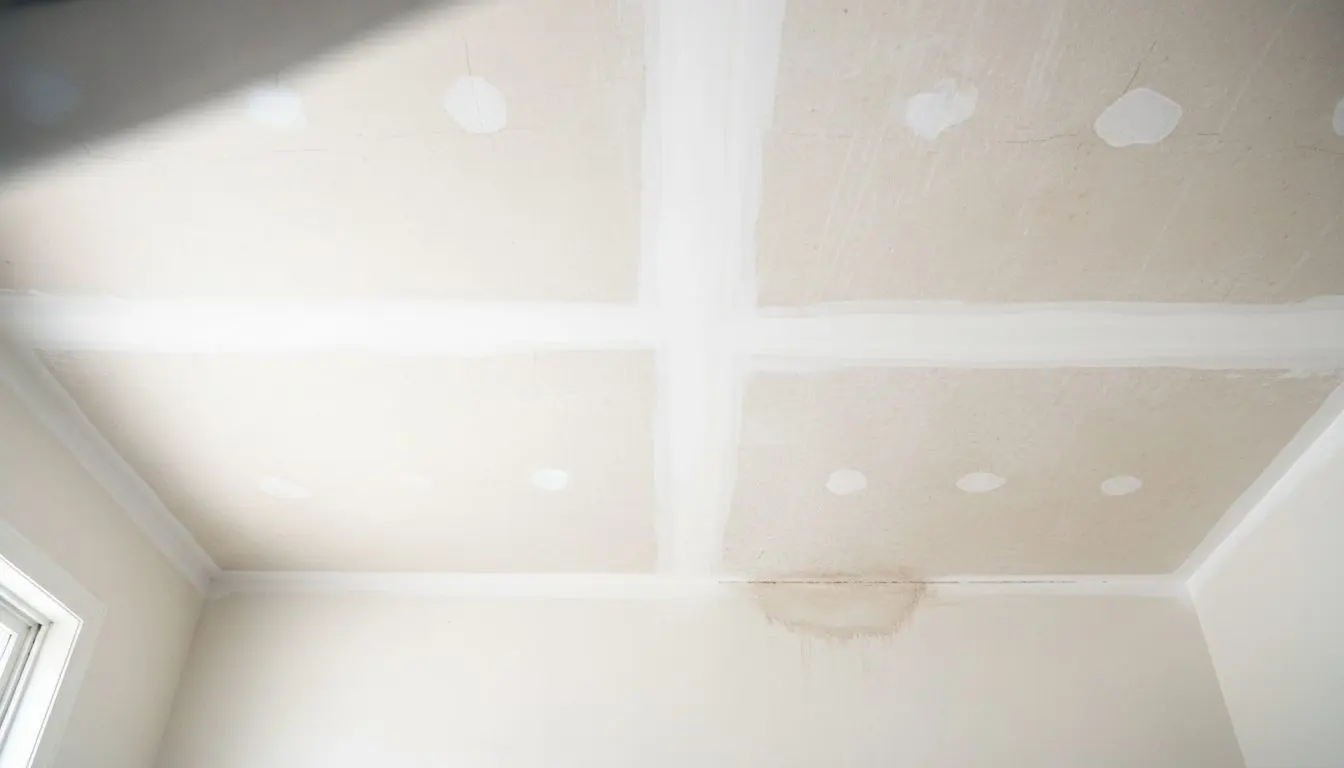
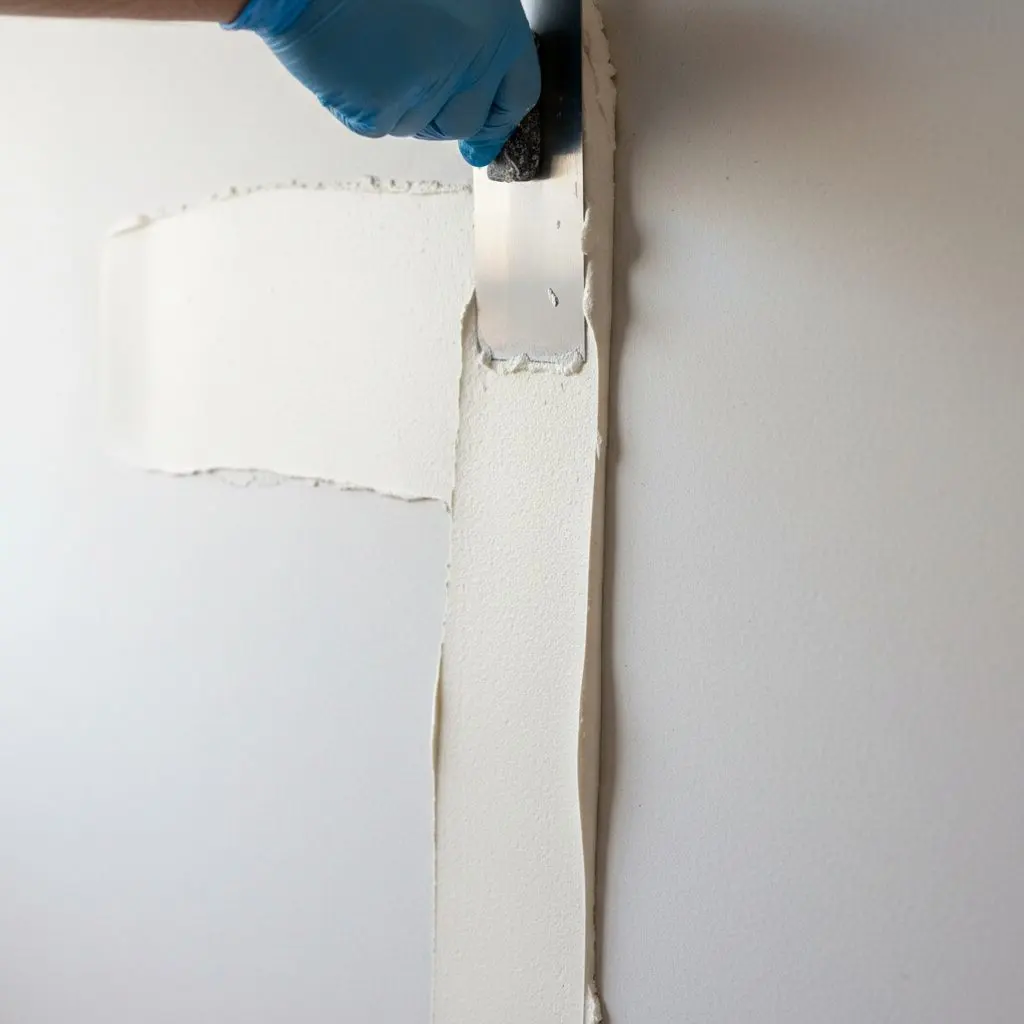
A taping knife drawing a wide band of setting compound across a butt joint, the blade and the wet compound close up

Hartford Drywall Pros is a drywall contractor working out of Hartford, hanging, taping and finishing about two hundred and forty jobs a year with four crews since 2007. Small repairs usually start inside two weeks, and a whole floor books three to four weeks out.

We hang and finish new board on additions, gut jobs and basements, repair holes, cracks and failed plaster, match knockdown, orange peel and skip trowel texture, take down and reboard ceilings, and put rooms back after a roof or a pipe has let go. Joints are taped in paper rather than mesh wherever a wall will move, and finished to Level 4 as standard or Level 5 where a window or a run of downlights rakes across it, which is what stops joints ghosting through the paint in a year.

Is my job too small to be worth calling about? A homeowner with one cracked bedroom ceiling is worth a visit, and so is a builder handing us eleven units of a converted mill to board and finish from bare studs.

Call for a free quote at (860) 847-8709. You will stop steering visitors away from that corner of the living room and start pointing the ceiling out to them!

Every drywall service we provide in Hartford

  • Drywall Installation
  • Drywall Repair
  • Taping and Mudding
  • Texture and Finishing
  • Ceilings and Soffits
  • Water Damage Repair
  • Soundproofing
  • Patching and Skimming
  • Insulation
  • Garage and Basement Finishing
  • Popcorn Ceiling Removal
  • New Construction Drywall

Our drywall services in Hartford

  • Drywall Installation

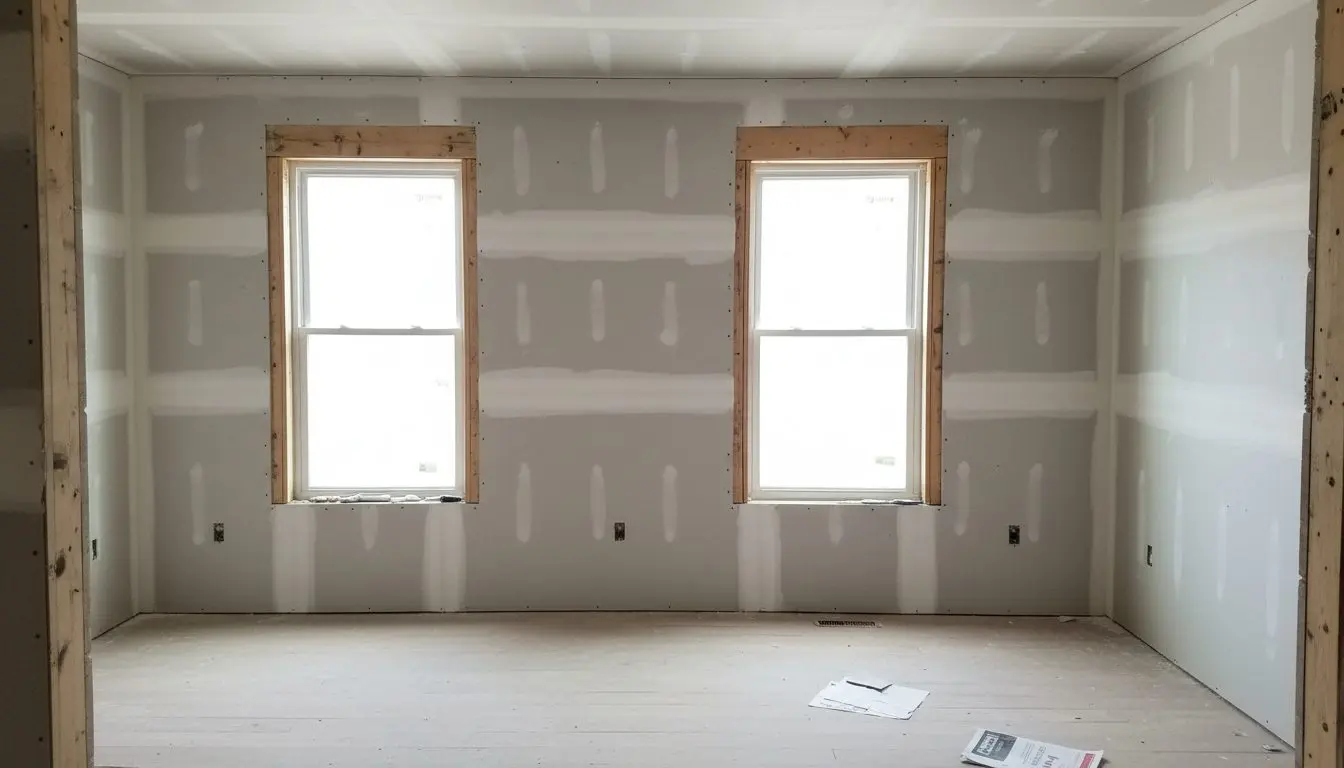
    For anybody standing in front of bare studs, whether that is an addition you have just had framed, a basement you are finally finishing, or a wall the electrician opened three weeks ago and left. People choose this over a general contractor's own crew because the framing gets straightened before the board is ordered, and that one step is what decides whether the finished wall looks flat.

    Learn more about Drywall Installation
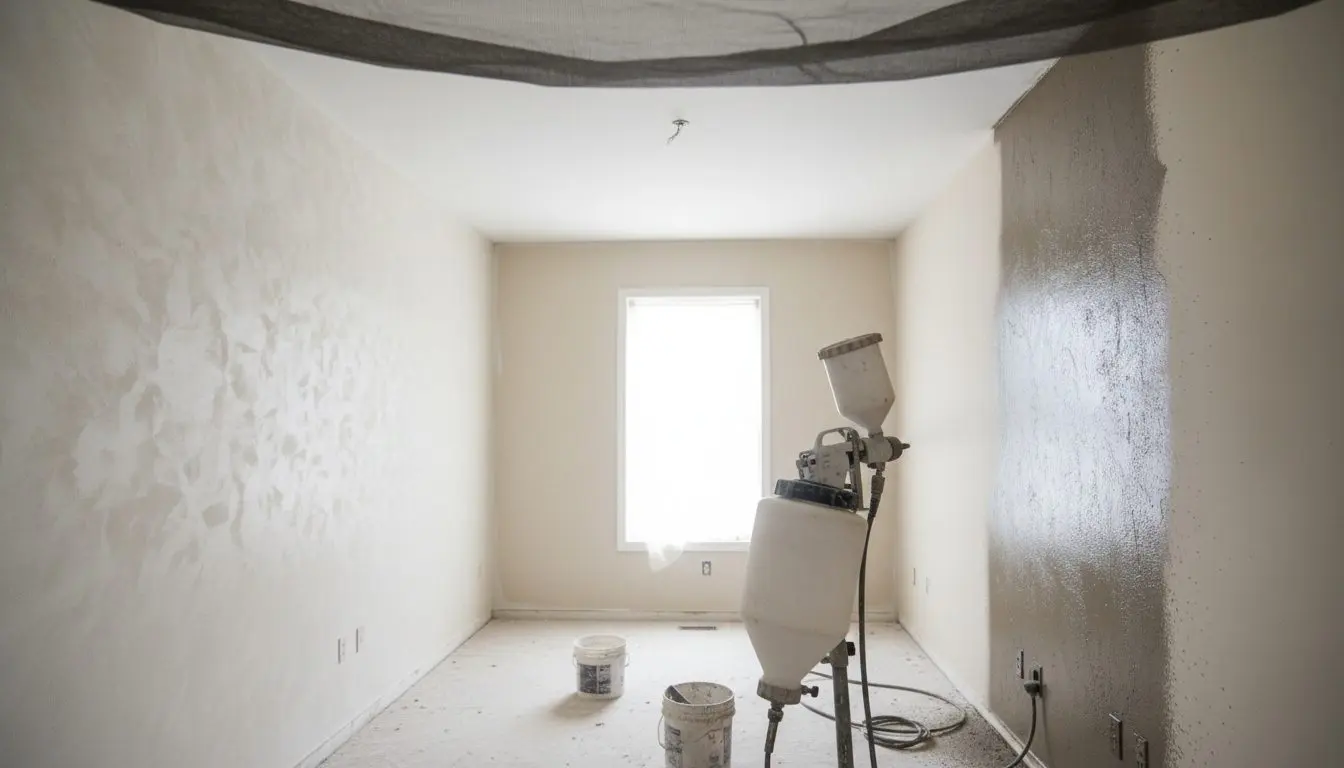
  • Drywall Repair

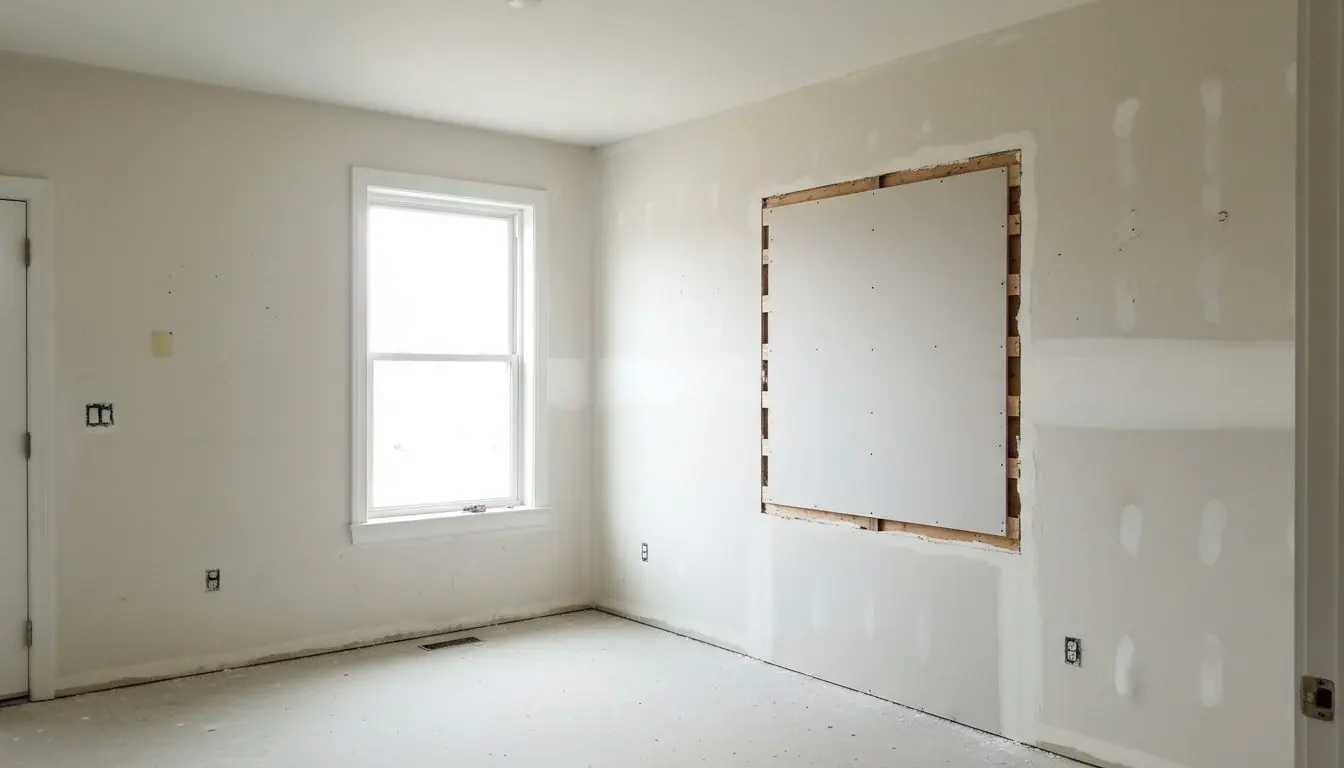
    For anybody living with damage they have stopped seeing, a tenant with a walk-through booked, or a landlord turning a unit around between lets. People pick this over a handyman because a patch backed on four edges and taped in paper stays flat, while a hole filled from a tub comes back as a visible ring inside a year and shows in every photograph after that.

    Learn more about Drywall Repair
  • Texture and Finishing

    For anybody whose repair is invisible in flat light and obvious in the evening, and for landlords who want one pattern through a building so the next patch is not a guessing game. People choose this over a painter with a hopper because the match is settled on a dried sample board, held against the wall in the light of the room, before the compressor is ever switched on.

    Learn more about Texture and Finishing
  • Ceilings

    For anybody standing under a ceiling that has started to bulge, crack or shed, and for anybody tired of the popcorn texture in every room upstairs. People pick this over a general contractor's crew because the joists get strapped level before any board goes up, and that one step is what decides whether a ceiling reads flat under a window's side light or shows every joint in it.

    Learn more about Ceilings
  • Water Damage Repair

    For anybody who has just found a brown ring over the stairs, a ceiling gone soft after February, or a bathroom that has been leaking into the room below for longer than anyone admits. People call us rather than a general restoration outfit because the meter goes into the framing before the board goes on, and that is what decides whether the repair holds or comes back next winter.

    Learn more about Water Damage Repair

The board and the finish level our quotes actually name

Half-inch board on walls, five-eighths on ceilings, paper tape on every joint and Level 4 as the floor.

Walls take half-inch board and ceilings take five-eighths, because five-eighths spans sixteen-inch framing without sagging and half-inch does not. Bathrooms and laundry rooms get a glass-mat gypsum panel rather than paper-faced board, and Type X goes in where a wall separates a garage from living space or one unit from the next. Joints are taped in paper embedded in setting compound, never mesh and never lightweight all-purpose, then coated twice more and sanded by hand at the edges. Inside corners are taped. Outside corners take a paper-faced metal bead nailed on rather than a vinyl bead stuck on, because a stuck bead is what cracks off a doorway in a house that moves with the seasons.

  • Half-inch board on walls, five-eighths on ceilings
  • Paper tape set in setting compound
  • Level 4 standard, Level 5 where light rakes
  • Type X where a rating is called for
  • Paper-faced metal corner bead, nailed on
  • Glass-mat panel in bathrooms and laundries
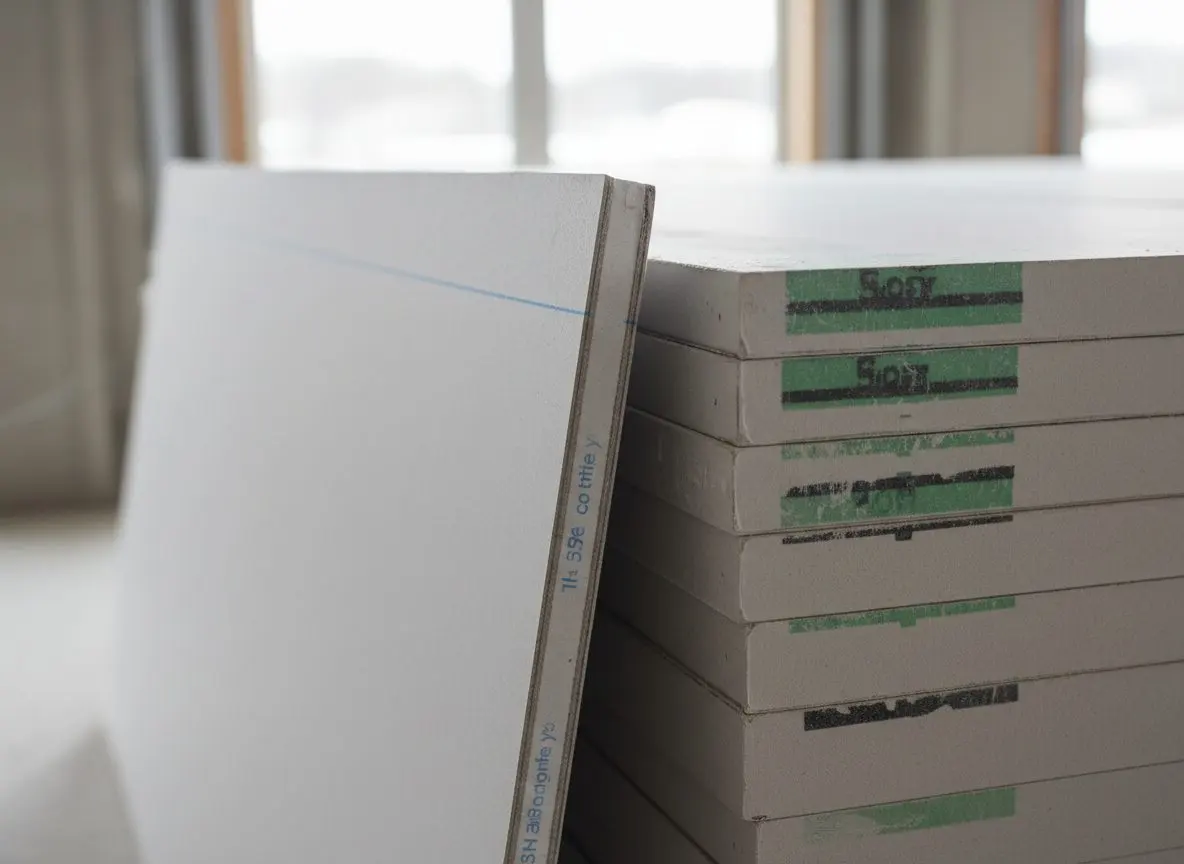
The cut edge of a five-eighths sheet propped against a stack of half-inch board, close enough to read the difference in thickness
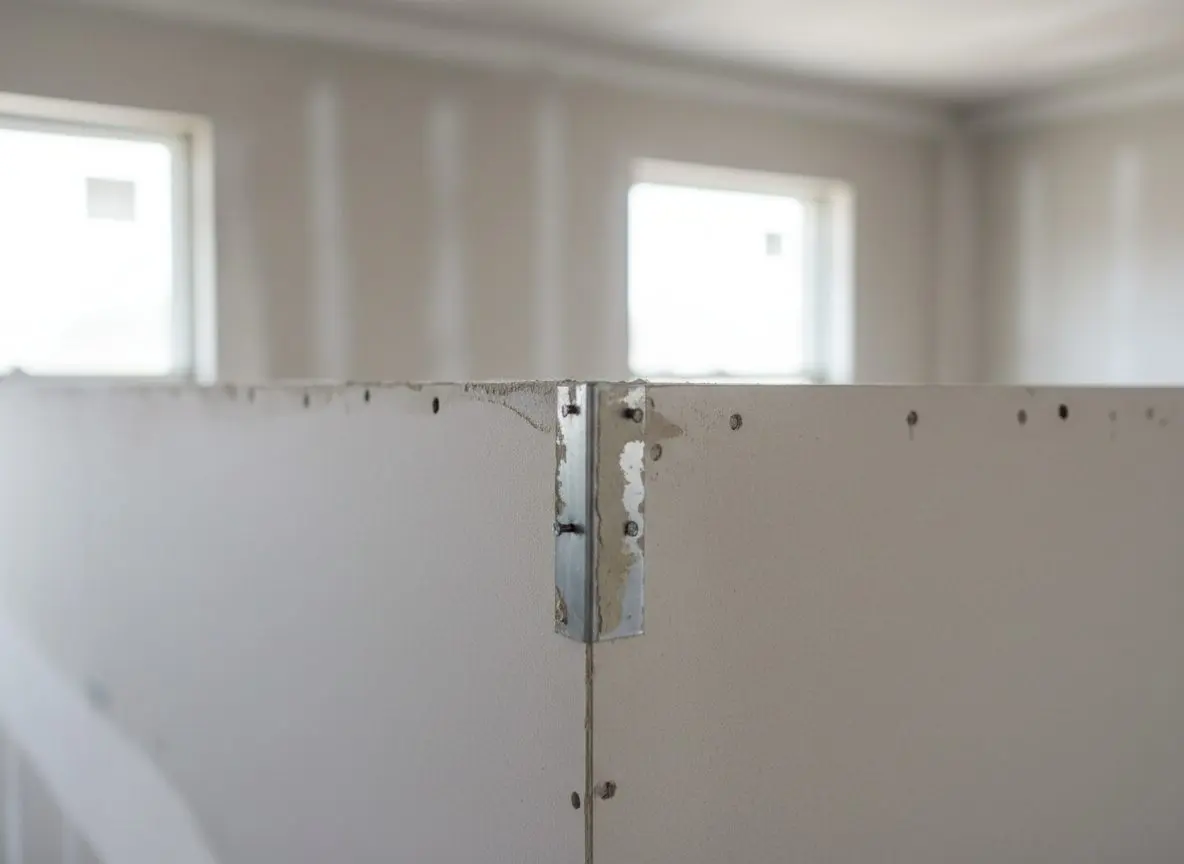
A paper-faced metal corner bead nailed onto an outside corner, close and square on

Ask the other two quotes which board and which finish level they mean. Then call us and we will name ours.

(860) 847-8709

Why is one room quoted higher than another the same size?

Square footage is the smallest part of a drywall price. What the wall already is, what has to come off it first and how good the finish has to look under your own lights account for most of the rest.

What is behind the wall
Board comes off in sheets. Lath and plaster comes off in barrows, and the studs behind it are rarely straight or evenly spaced, so new board has to be shimmed and packed before a screw goes in.
Level of finish
Level 4 is right under paint on most walls. Level 5, a skim over the whole face, is what a big window or a row of downlights needs, and it adds about two days across a room.
Ceilings against walls
Everything overhead is slower. Sheets are lifted above the head, five-eighths board is heavier than half-inch, and every joint is worked above shoulder height, which roughly doubles the labour.
How much has to come out first
Stripping is priced apart from hanging because it is a different day's work. Plaster keys, layered wallpaper, glued panelling and two coats of old texture all have to leave before board arrives.
Access and protection
A third-floor room with a turn in the stair changes what size board can be carried up in one piece. So does a finished floor that has to be protected, and a family living in the house throughout.
Matching what is already there
Patching into a textured or plastered wall is a matching job rather than a filling job. Making a repair disappear under a raking light takes several passes and sometimes a skim across the whole wall.

Which of these apply to your job is settled on the visit rather than on the phone, and the quote says which ones we found. Get a free quote

From your first call to the day we sweep up and go

Three to seven days on site for most jobs, and the dust and the noise are done inside the first two.

  1. You call and we listen

    Same day callback

    You tell us what is happening and where. We ask what the house is, roughly when it was built and whether anything has been done to that wall before, because in Hartford the answer is usually yes.

  2. We come and look

    Within a few days

    One of us comes out, measures, and puts a screw into the wall somewhere discreet to find out whether it is board or lath and plaster. The written quote comes after that visit, never before it.

  3. The quote and the date

    Written the same week

    The quote names the board, the thickness, the finish level and the number of days. If something behind the wall changes it, you hear that while we are standing in the room, not on the invoice.

  4. Protection and set up

    First morning

    Floors get covered, doorways get zipped and a fan goes in a window. Furniture moves to the middle of the room and gets sheeted. Nothing is opened up until the room is closed off.

  5. Hanging, taping and sanding

    Two to five days

    Board goes up, joints are taped and three coats of compound go on with a drying day between them. Sanding is the dusty part and it is one day, not five.

  6. Patched and cleared

    Last afternoon

    We prime what we finished so you can actually see it, vacuum the room, take the sheeting and the scrap away, and walk the job with you before anybody leaves.

Call and we will come out, look at the actual wall and tell you what it needs.

Get a free quote

What a buyer sees in your walls when you sell

Ceilings and walls are the part of a renovation a buyer notices without knowing they are looking.

No published remodelling study prices drywall on its own. The Cost versus Value report gives a return for a kitchen, a bathroom or a deck in New England, and the board and the finish inside those figures are never broken out. Any percentage put against a taped wall would be invented here.

What is worth saying instead is which of your own decisions hold that value. A Level 5 finish in a room with a big window survives a buyer walking round it in daylight. A ceiling rehung after a leak, with the cause fixed first, does not come back at the inspection. Skimming over a substrate that was never sound to save two days is the decision that does.

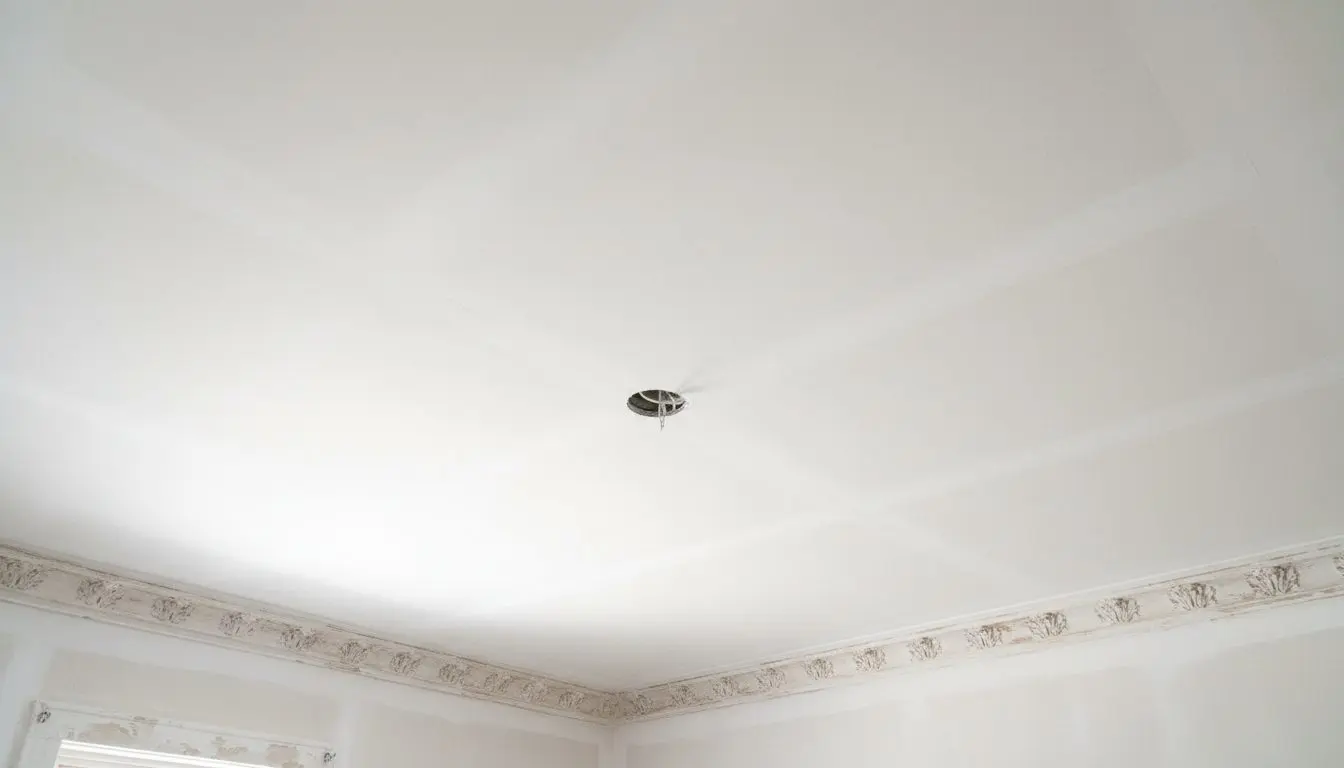
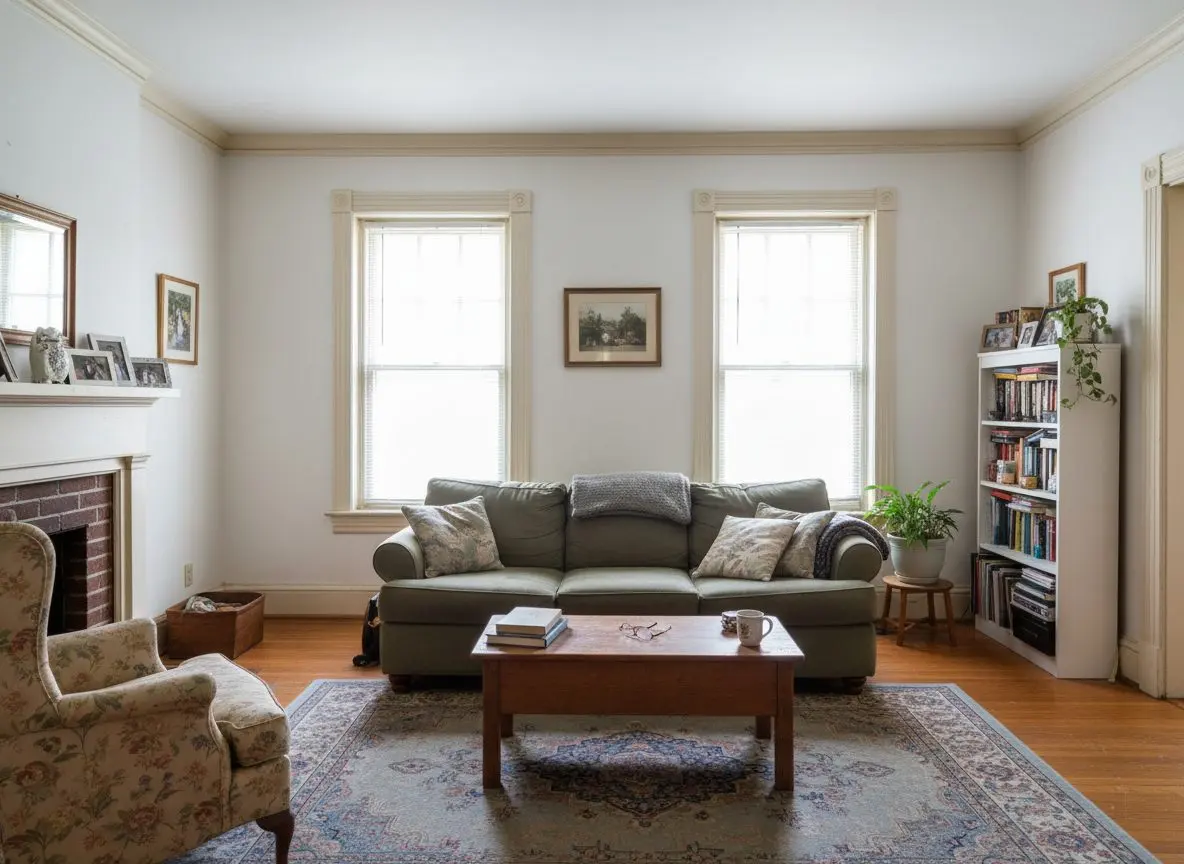
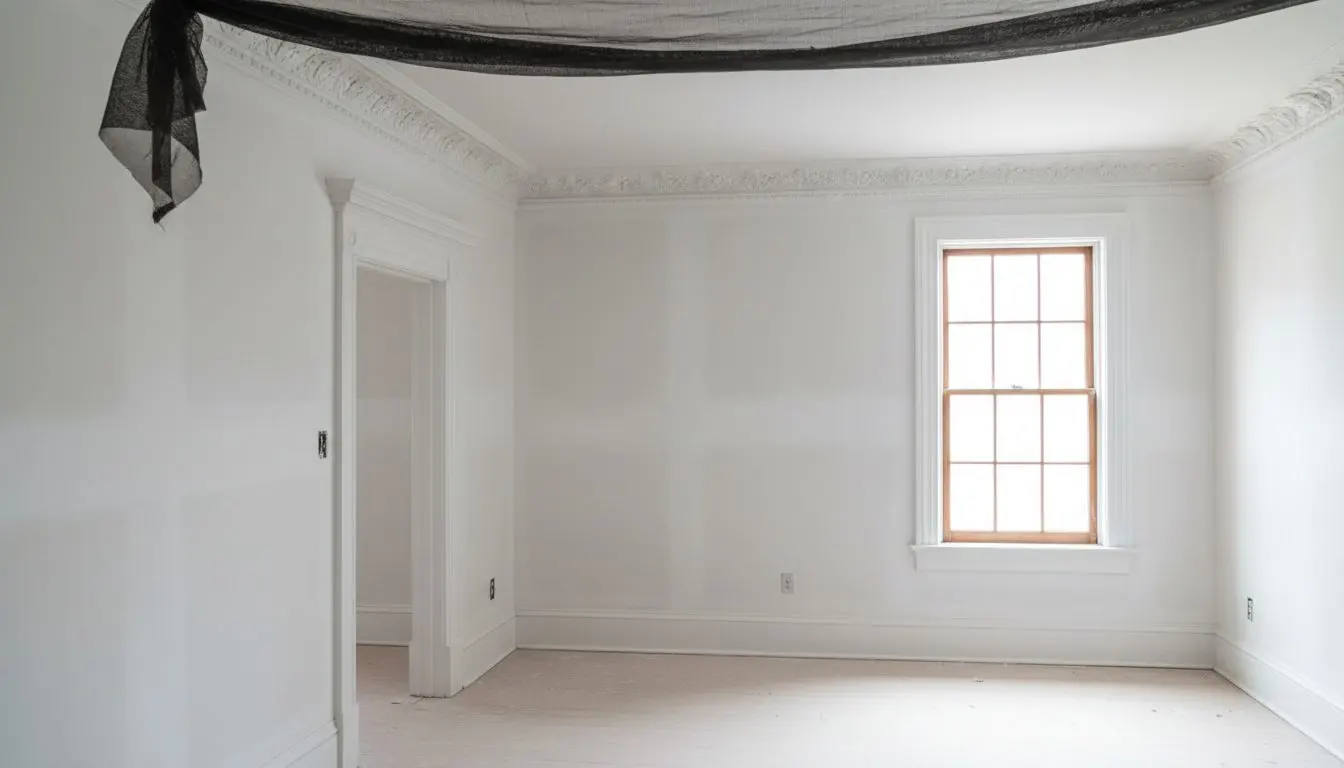
A finished, lived-in living room in an older Hartford house, furnished and clearly in use, flat white walls and ceiling beside the original trim and crown molding

What lath, plaster and ice dams do to drywall in Hartford

Most of what we open here is lath and plaster, the studs behind it have usually been moved at least once, and February ice dams put water through ceilings every winter.

Most walls here are lath and plaster
A great deal of Hartford housing went up before 1940, so the wall is wood lath with three coats of plaster on it. It comes off in barrows rather than sheets, it weighs several times what board does, and stripping is often the longer half of the job.
Nothing behind the wall matches the drawings
These houses have been renovated three and four times over. Studs get moved for bathrooms that no longer exist, old openings are framed and buried, and the spacing wanders. We open a small hole and look before quoting rather than measuring and guessing.
Ice dams and storm water, every winter
Snow melts on a warm roof, refreezes at the eaves and pushes water back under the shingles, and fall storms drive rain the other way. Ceilings below stain, then go soft. We cut back to sound board and dry the cavity before anything new goes up.

Jobs from Asylum Hill to Glastonbury, and what made each awkward

These are real jobs in named towns and neighbourhoods, finished and handed back, with the constraint that made each one awkward written underneath it.

  • Whole first floor rehung in Asylum Hill

    Whole first floor rehung

    Asylum Hill

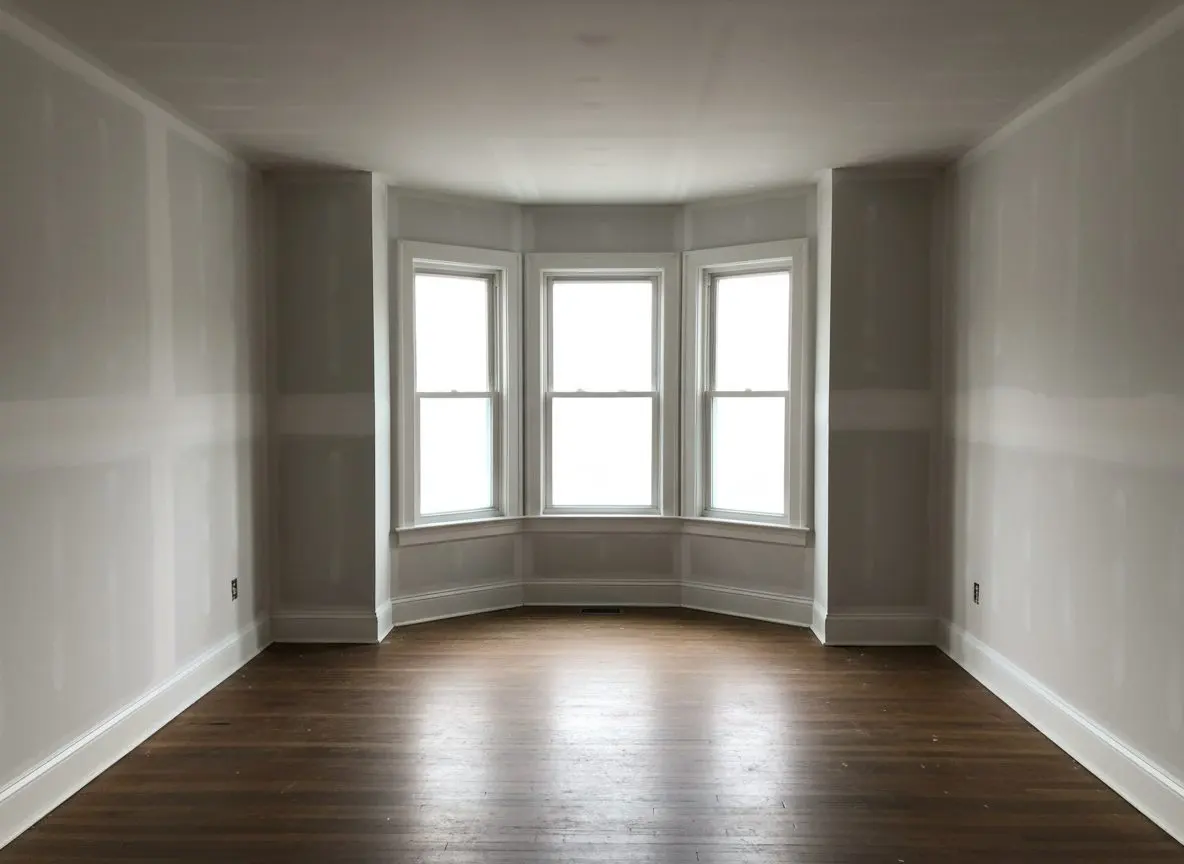
    Lath and plaster off three rooms and a hall, every stud shimmed straight, then half-inch board taped to Level 5 for the front bay window.

  • Ceiling down after an ice dam in West Hartford

    Ceiling down after an ice dam

    West Hartford

    February leak over a dining room. Cut back to dry framing, left a week to dry out, then five-eighths board and a knockdown match into the old texture.

  • Popcorn off, flat ceilings in Newington

    Popcorn off, flat ceilings

    Newington

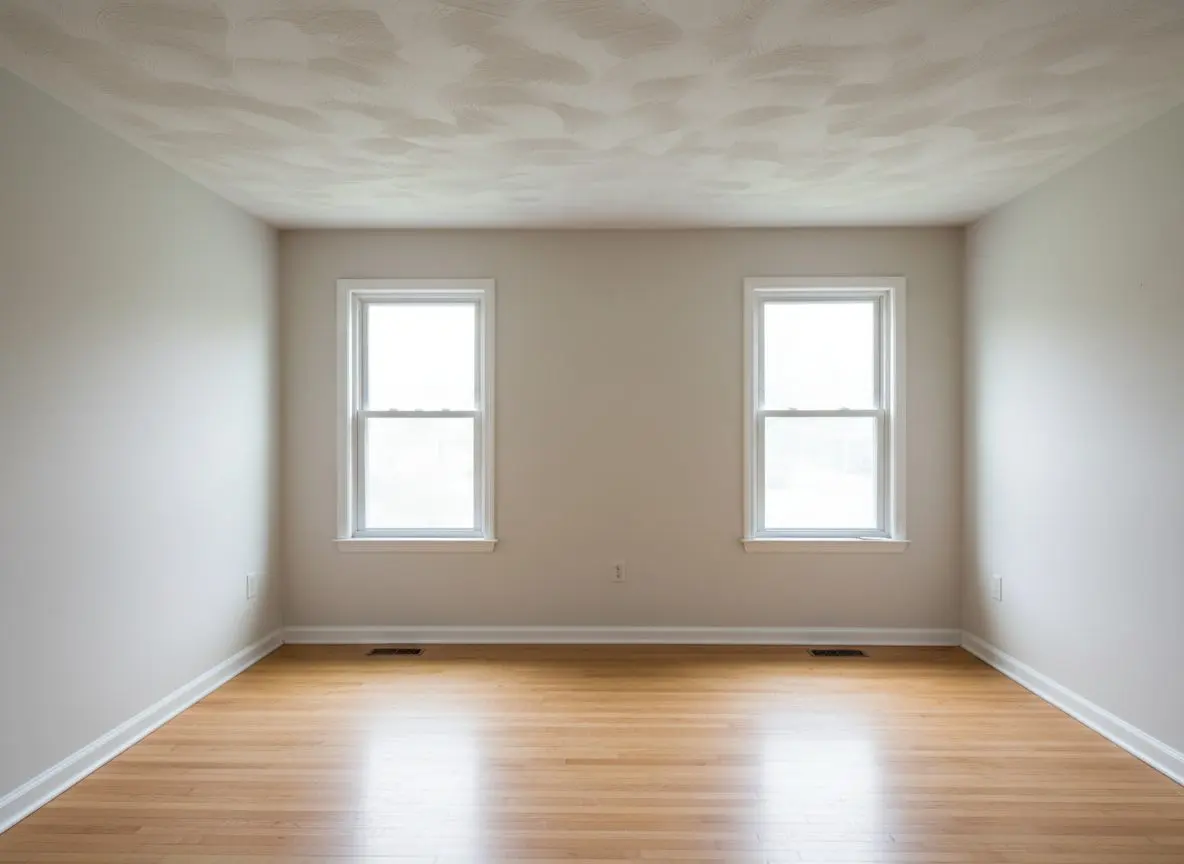
    Two bedrooms and a landing scraped, skimmed and sanded flat. The 1968 texture was tested for asbestos first because of the age of the house.

  • Basement finished for a family in Glastonbury

    Basement finished for a family

    Glastonbury

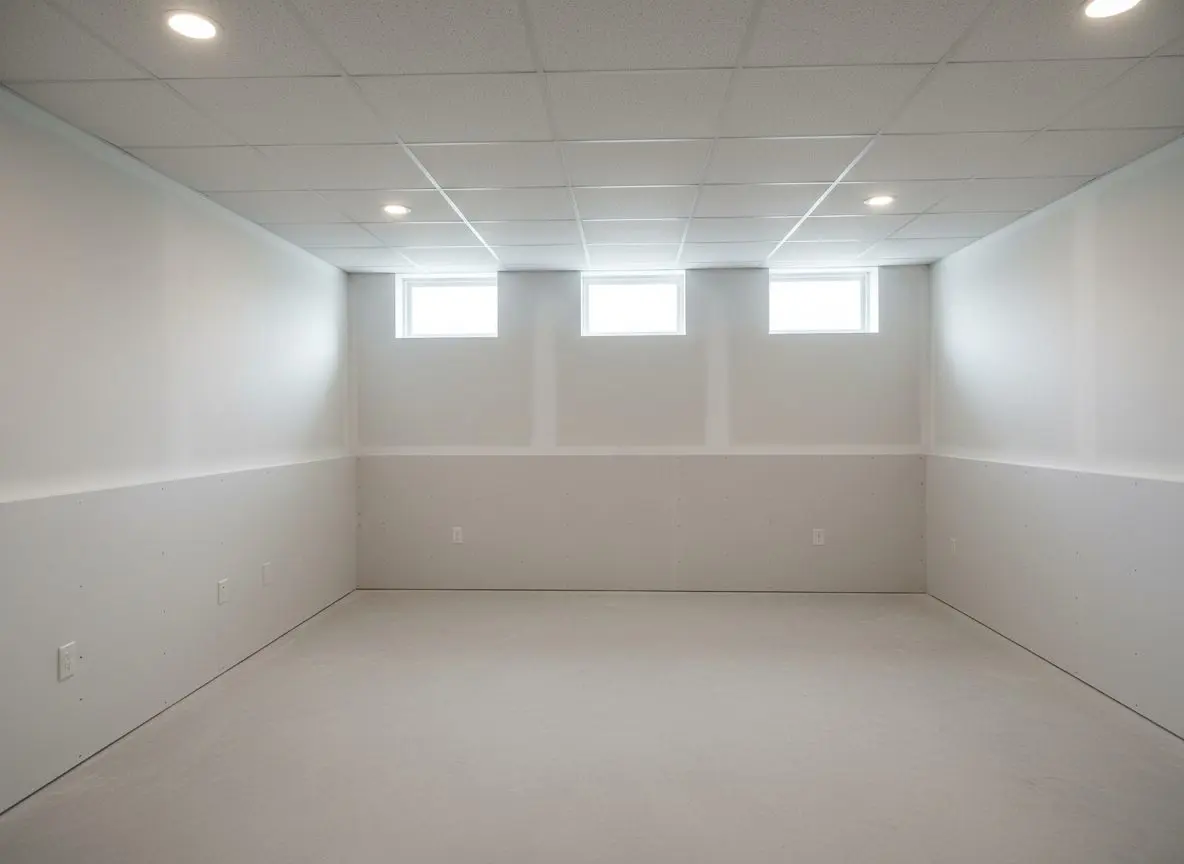
    Framed off a damp foundation wall with an air gap, glass-mat board to four feet and paper-faced above it, taped and primed ready for the painter.

  • Three unit turnaround in Frog Hollow

    Three unit turnaround

    Frog Hollow

    One apartment at a time between tenants, patching, skimming and priming to a fixed date so the owner kept the letting schedule intact.

  • Skim coat over sound plaster in Wethersfield

    Skim coat over sound plaster

    Wethersfield

    The keys were still good across most of two rooms, so the plaster stayed and took a two-coat veneer skim instead of a week of demolition.

The towns we drive to from Hartford every week

We work out of a yard in Hartford and cover roughly twenty miles from it, which takes in the river towns, the valley to the north and the ridge to the west.

Primary service area

Hartford, CT

Hartford Drywall Pros 100 Pearl St, 14th Floor, Hartford, CT, 06103 (860) 847-8709

Also serving

  • West Hartford
  • East Hartford
  • Newington
  • Wethersfield
  • Bloomfield
  • Windsor
  • Manchester
  • Glastonbury
  • Rocky Hill
  • Farmington
  • Simsbury
  • Asylum Hill

If your town is not on this list and it is inside about half an hour of us, call anyway. The list is where we go most weeks, not a boundary.

Insured
General liability
Established
19 years
Callback
Same day

Questions people ask us about drywall in older Hartford houses

Do you charge for coming out to quote?

No. Somebody comes out, looks at the wall, and the written quote follows within a couple of days at no charge. We would rather spend forty minutes finding out whether it is board or plaster than guess on the phone and revise the number once a crew is standing in your hallway.

Can you work in a house that has lead paint?

Yes, and we assume it is there in anything built before 1978. That changes how the surface is opened up and how the room is sealed, and it is priced in rather than discovered later. Where a job needs certified lead abatement rather than containment we say so before starting, not halfway through.

Do you take on three deckers and multi-family?

Yes. Two and three family houses are most of what stands on these streets, and a good deal of our work is one unit at a time between tenants. We can work to a turnaround date and keep the stair and the common hallway covered and passable while we do it.

Do you paint the walls once you have finished them?

No, we prime and stop there. Primer is part of finishing because it is the only way to see whether a joint is truly flat before a room is signed off, but the finish coats are a painter's work and we would rather hand you a wall they can start on than do half their job badly.

What happens to the old plaster and lath you pull out?

It goes into a dumpster or a trailer and leaves with us. Plaster and lath is heavy and dusty and there is far more of it out of one room than people expect, so the haulage is written into the quote rather than added afterwards as a surprise.

How long after you finish before I can paint?

Give it a day after the last sanding for a primed wall in an ordinary heated room. Setting compound is chemically hard long before that, but the final skim still holds water, and paint over a damp joint flashes and shows later as a dull band. In a cold damp basement, allow two.

Should I skim over the old plaster or strip it all off?

If the plaster is still keyed to the lath across most of the wall, a skim over it is quicker, costs less and keeps the original surface. If you can push a hand against it and feel movement, or there are long horizontal cracks where the keys have snapped, it is coming off. We say which on the visit.

How much dust is there, and can we stay in the house?

A lot on the sanding days and very little on any of the others. Doorways get zipped, floors get covered and a fan goes in a window to pull air out of the room rather than through the house. Most people stay put, although we would not sleep in the room being sanded that night.

Can you work around furniture we cannot move out?

Yes. Everything moves to the middle of the room, gets sheeted and gets taped down, and we work around it. That costs a little time on the first morning and it saves you hiring a truck. What we do ask is that anything breakable or irreplaceable leaves the room, because sheeting stops dust and not ladders.

Is blueboard and veneer plaster worth doing instead?

Sometimes, and in these houses it is a practical question rather than a nostalgic one. Blueboard with a veneer plaster skim gives a harder, denser surface than taped board and the finishing is one day instead of three. It costs more and it needs a plasterer, so we quote it where the wall justifies it.

Where do you park, and how do the sheets get inside?

On the street outside where there is room, and in the driveway where there is not. Twelve-foot sheets will not go up a turned staircase in most of these houses, so we usually bring eight-foot board and accept an extra joint rather than take a window out. If a window is the only way in, we say so at the quote.

A crack has come back. Will you come and look at it?

Yes. Call us and somebody comes and looks. A hairline following a joint we taped is a different thing from a crack opening diagonally out of a door or window corner, and the second one is the house moving rather than the finish failing. We will tell you which it is and what would actually stop it.

Hartford Drywall Pros

Small repairs start inside two weeks, no matter how far out the big jobs are booked.

Hartford Drywall Pros hangs, tapes, finishes and repairs walls and ceilings across Hartford, in houses that range from new construction to pre-1940 plaster over lath. Four crews finish about two hundred and forty jobs a year, and a small repair usually starts inside two weeks even while a whole floor is booked further out. Trading here since 2007.

What nineteen years in Hartford's oldest houses taught us

  • Nineteen years working pre-1940 lath and plaster, trading since 2007
  • A screw goes into the wall before the quote, so we know board from plaster first
  • Small repairs start inside two weeks, even when the big jobs are booked further out
  • Nor'easters and ice dams are priced into how we protect a ceiling before we open it
  • We prime what we finish, so you can actually see the work before we leave

If a wall has gone soft after a storm, an old ceiling needs opening up, or a room needs drywall from scratch, call (860) 847-8709 and somebody will come and look at it. We will tell you on that visit whether it is board or lath and plaster behind the surface, and the written quote follows the visit, never before it.

(860) 847-8709

Give us a call

office@hartforddrywallpros.com

Send us a message

100 Pearl St, 14th Floor, Hartford, CT, 06103

Where to find us

Request a quote

(860) 847-8709 Get a free quote