
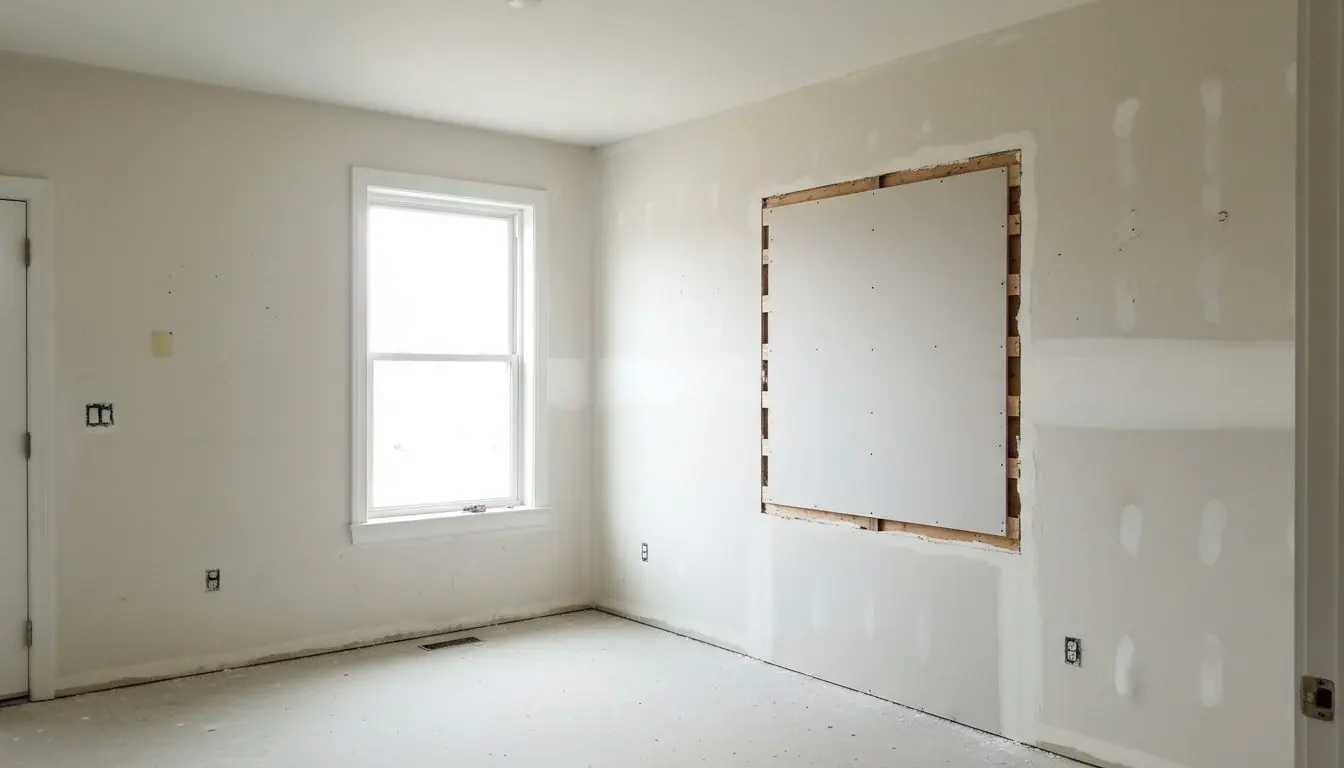
Drywall Repair in Hartford
Holes, cracks and failed plaster patched in Hartford
Cut back to something sound, backed so the patch has a fixing on every edge, taped in paper and feathered wide enough to vanish under a raking light.
Drywall repair where the wall turns out to be plaster
You get a wall you cannot find the repair in, once the paint is on and the light comes across it.
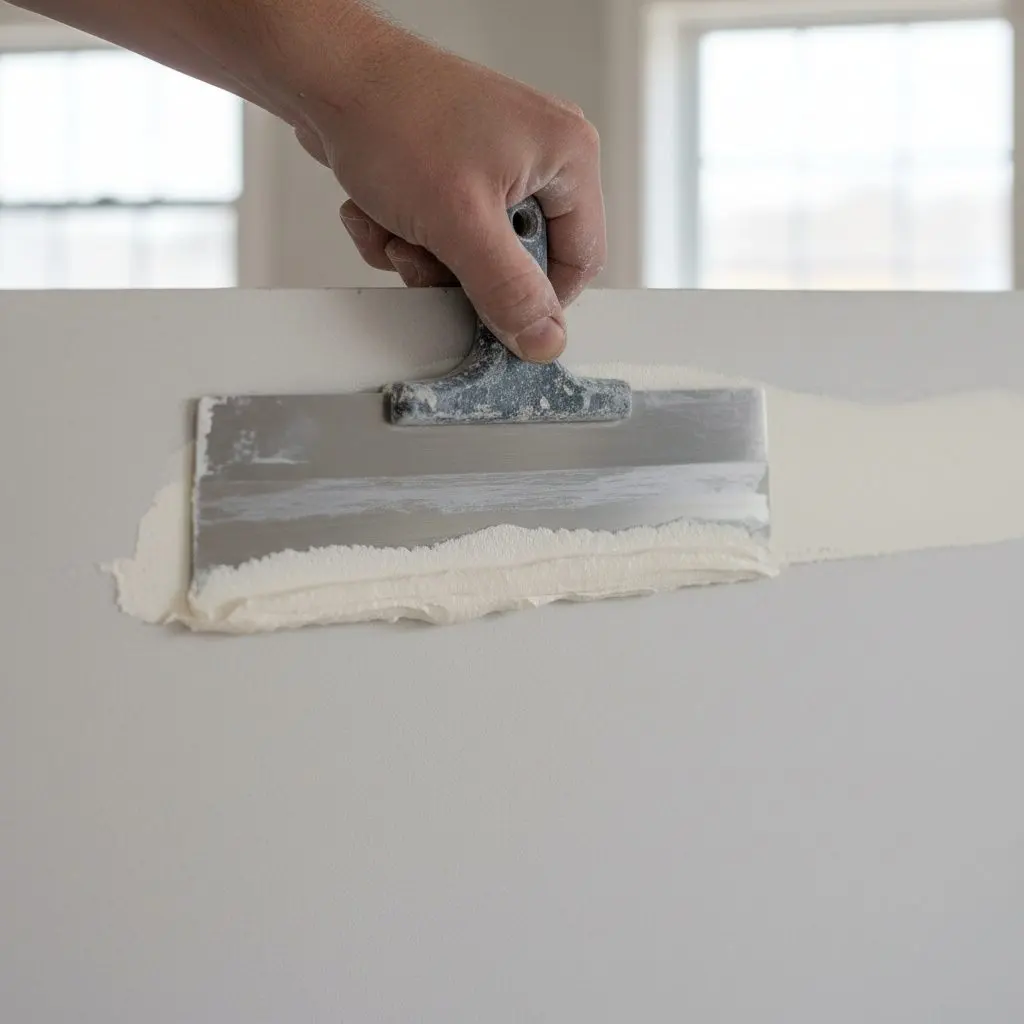
This covers holes, cracks, nail pops, corner bead that has popped and plaster that has let go of the lath, in walls and ceilings that are otherwise staying. Closing up bare framing after a wall has been opened is drywall installation, and where a roof or a pipe is still letting water in, start at water damage repair instead.
Repairs are about eighty of the two hundred and forty jobs we finish a year, and in more than half of them the wall turns out to be lath and plaster.
Doorknob holes, cracks over doors and windows, hairlines along a taped joint, nail pops, cracked corner bead, sagging ceilings, blown plaster and whole walls skimmed flat all sit under this heading. Every patch is cut back square with a fixing on all four edges and backed with strips screwed to sound material, then taped in paper set in setting compound, because a hole filled with nothing behind it is held on by compound alone and comes back as a ring.
A tenant with three holes to patch before a walk-through, and a homeowner whose living room ceiling has cracked along every joint since the first cold week of winter.
Text a photo of it or call for a free quote at (860) 847-8709. You will stop hanging a picture over that patch and start forgetting which wall it was even in!
From cutting the damage square to a primed patch
Everything from cutting the damage out to a primed patch a painter can roll straight over.
- Damage cut back to a square
- Backing screwed in behind every edge
- Board or plaster built to full thickness
- Paper tape and setting compound, not filler
- Three coats feathered eighteen inches wide
- Hand sanded and the room vacuumed
- Patch primed so paint does not flash
Patching the damage, or taking the whole wall back
Most of the walls we get called out to look at do not need to come off.
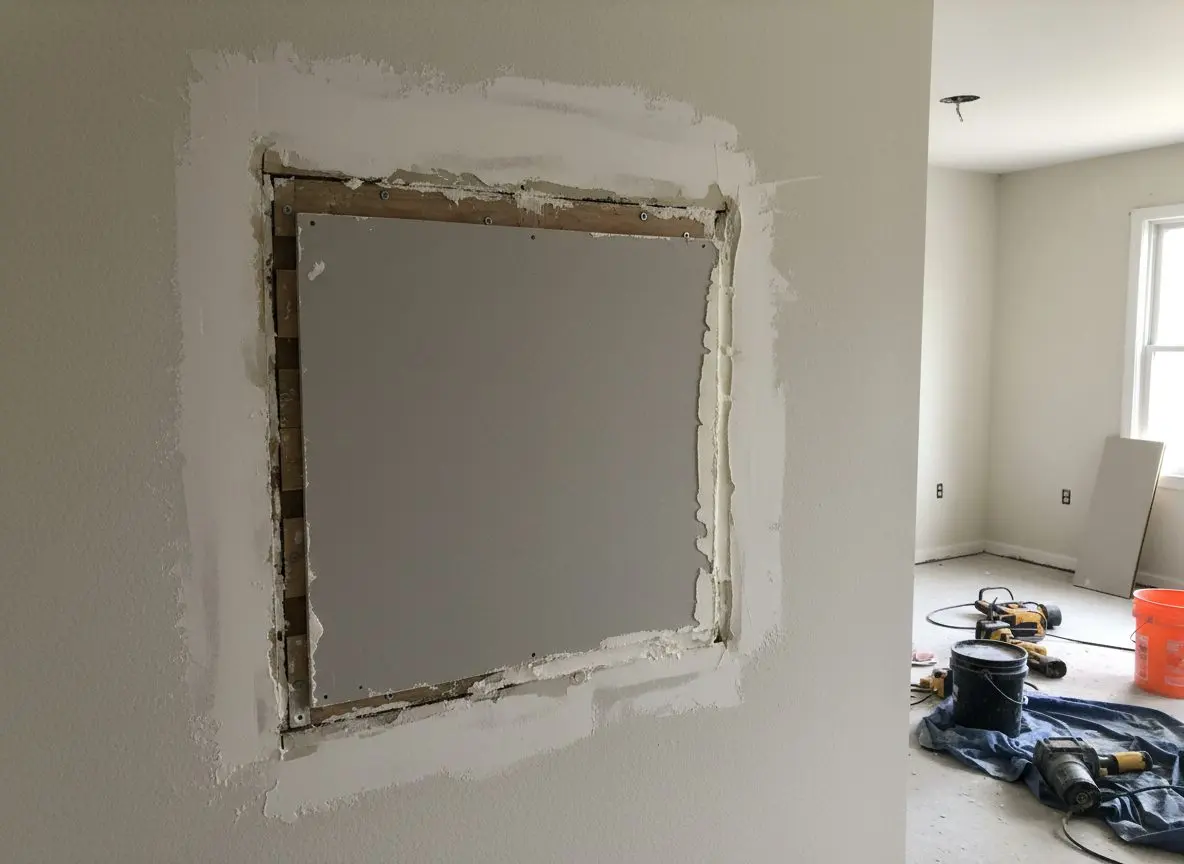
Patching is the right answer when the material around the damage is sound, when the plaster still rings solid a foot out from the hole, and when the wall is flat enough that a new piece can be feathered into it. One or two holes in an otherwise good wall is an afternoon rather than a project.
Taking the wall back is the honest answer when the plaster moves under a hand across whole sections, when the keys have snapped behind most of a ceiling, or when a wall has been patched so many times that it is a map of other people's repairs. Patching into a surface that is letting go buys a year at most.
Which of the two it is gets settled on the visit rather than in the quote, and you hear it when the cheaper one is right. A hand run over the wall and a screwdriver into one soft area answers it in a few minutes, and you are told standing in the room rather than after the work has started.
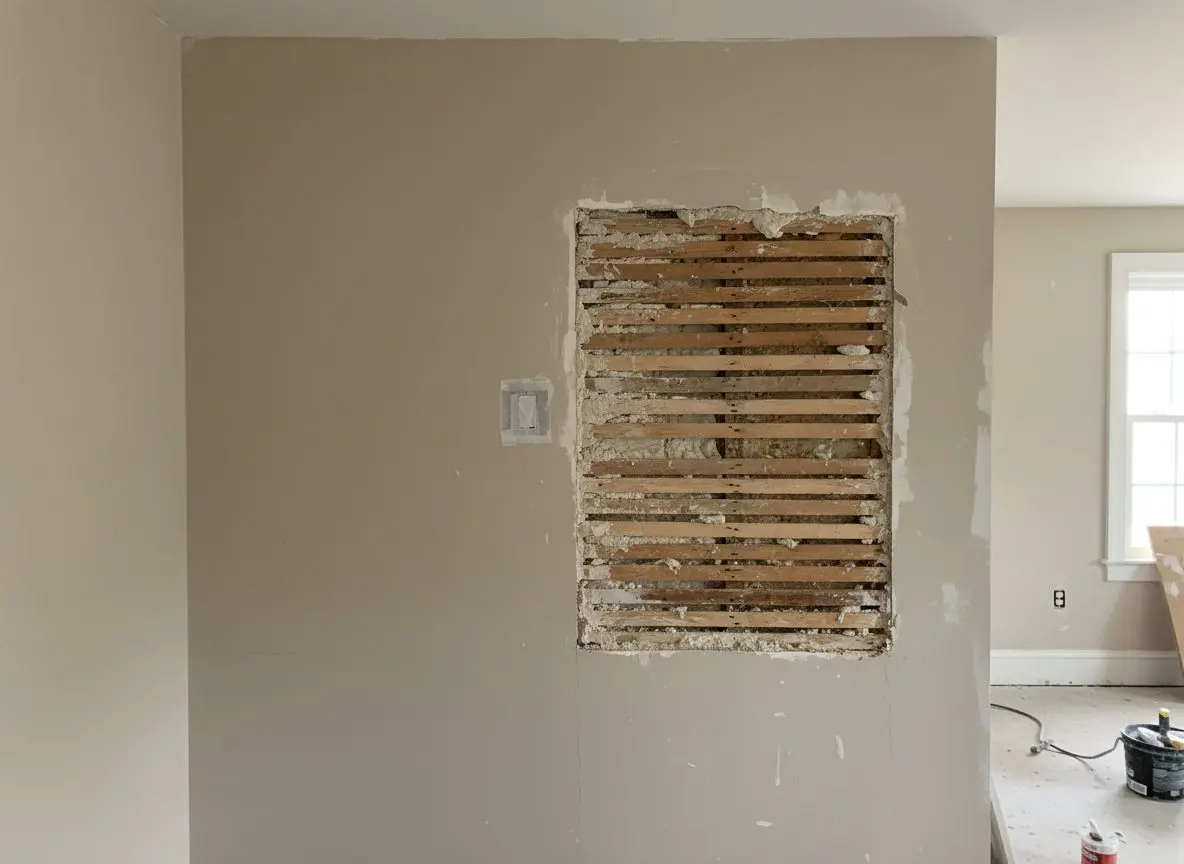
Backed on four edges, taped in paper, feathered eighteen inches
Patches cut square, backed on every edge, paper tape in setting compound and three coats feathered wide.
Damage is cut back square with a knife rather than pulled out, because a torn edge gives nothing to work to. Every patch is backed with plywood strips or furring screwed into sound material, so the new piece is fixed on all four edges instead of floating on compound.
Board patches match the existing thickness, half-inch or five-eighths, and plaster is packed out with a base coat to the full three-quarters. Loose plaster is screwed back to the lath with plaster washers first.
Joints are taped in paper bedded in setting compound, never mesh, and topped twice with the last coat feathered eighteen inches out. The patch is primed before we leave, because primer is what shows whether it is flat.
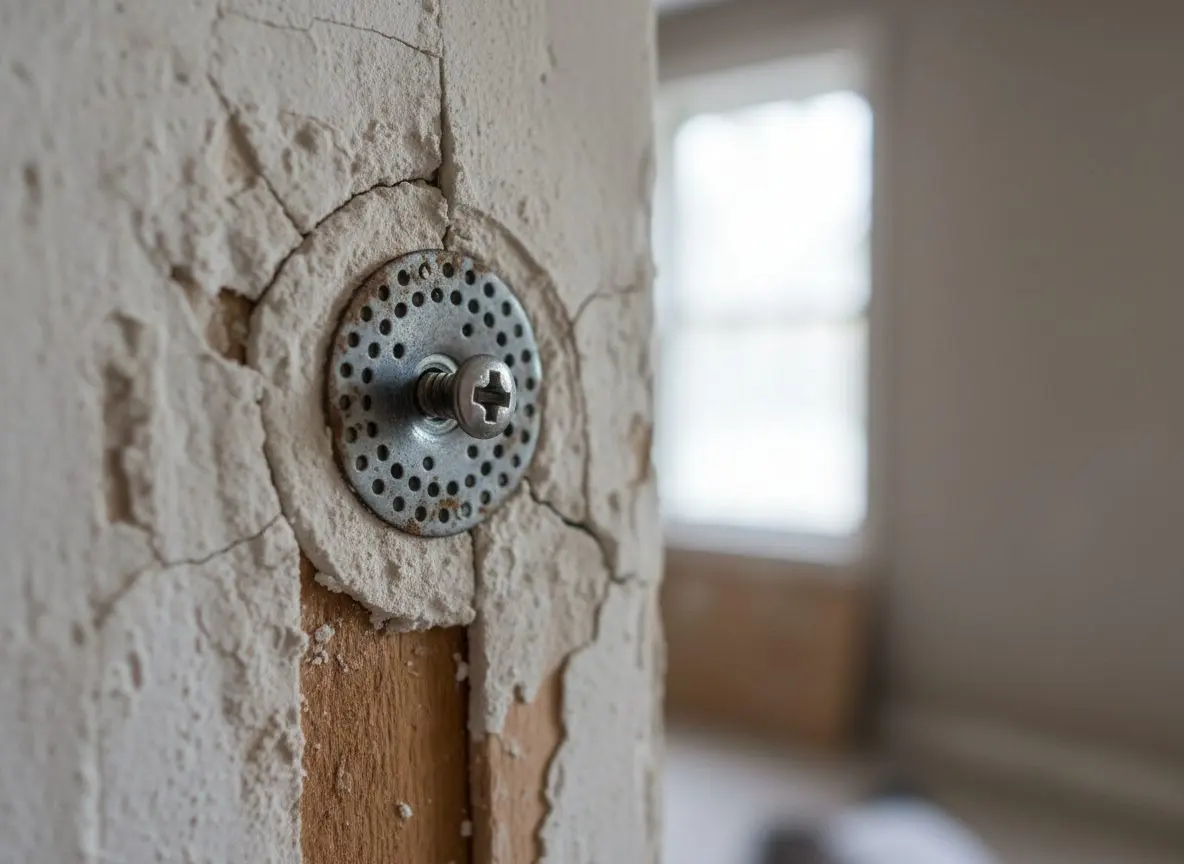
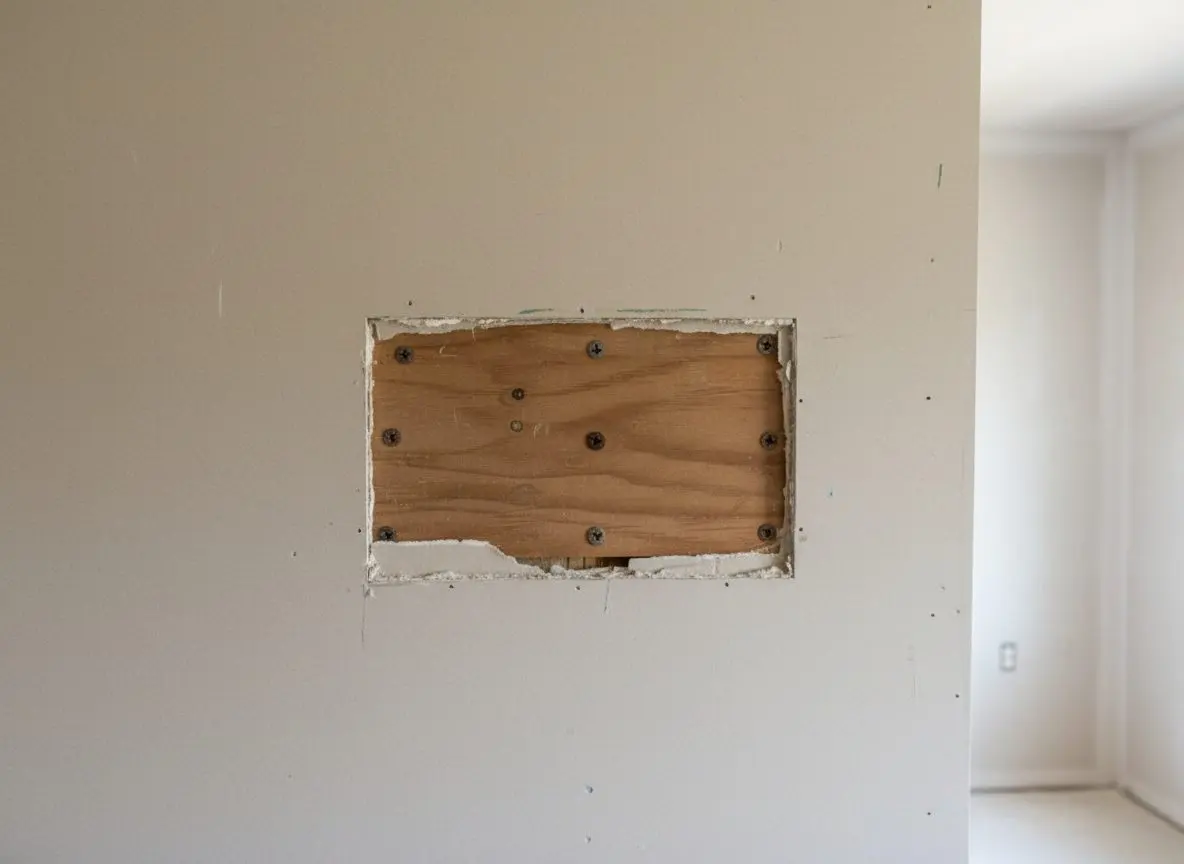
- Damage cut back square, never torn out
- Plywood backing screwed behind every edge
- Plaster packed to full thickness, not filled
- Plaster washers into the lath before skimming
- Paper tape over every crack, never mesh
- Last coat feathered eighteen inches wide
Ask the other two quotes which board and which finish level they mean. Then call us and we will name ours.
(860) 847-8709What decides the price of a repair
Two holes the same size can be an hour apart. What the wall is made of, how far the finish has to run and whether a texture has to be matched account for most of the difference.
- What the wall is made of
- A board patch is cut, backed and screwed in twenty minutes. The same hole in lath and plaster has to be packed out to a thicker face, and the plaster around it usually needs washering back to the lath first.
- How many, and how spread out
- Six small holes in one room cost less than six holes in six rooms. Each room carries its own protection, its own set up and its own return visits between coats, and that is time rather than material.
- How far the finish has to run
- A patch feathered into a flat wall stops eighteen inches out. A wall that is wavy, or lit along its face by a window, has to be skimmed corner to corner or the repair reads as a shallow dish in the paint.
- Matching an existing texture
- Filling a hole is one job and making it disappear into knockdown or skip trowel is another. A match means sample boards, a spray rig and usually a second visit, so it is quoted as its own line, not buried.
- Ceilings and height
- Everything overhead is slower, and a repair over a stairwell is slower again because staging has to be built off the treads before anybody can reach it. Sanding above the head is the slowest part of all.
- What has to be sorted first
- A wall that is still wet, still moving or carrying a corner bead that has let go gets that dealt with before compound goes anywhere near it. Skimming over a live problem guarantees a second visit.
Which of these apply to your job is settled on the visit rather than on the phone, and the quote says which ones we found. Get a free quote
From your first call to the day we sweep up and go
Three to seven days on site for most jobs, and the dust and the noise are done inside the first two.
Call and we will come out, look at the actual wall and tell you what it needs.
Get a free quoteThe difference between a repair that holds and one that returns
A repair is either invisible or it is the first thing anybody sees in the room.
There is no published figure for what a drywall repair returns at resale, because no remodeling survey prices patching as a line of its own.
The Cost versus Value report gives returns for whole projects in New England and goes no further than that, so a percentage put against a patched wall on this page would be invented. What can honestly be said is which of your decisions hold.
A patch backed on four edges is still flat in ten years and a filled hole is not. A crack cut out and taped survives the next winter where a filled one reopens. And a wall skimmed to the corners costs a day more than a spot repair, which is the difference between a room a buyer walks past and one they stop in.
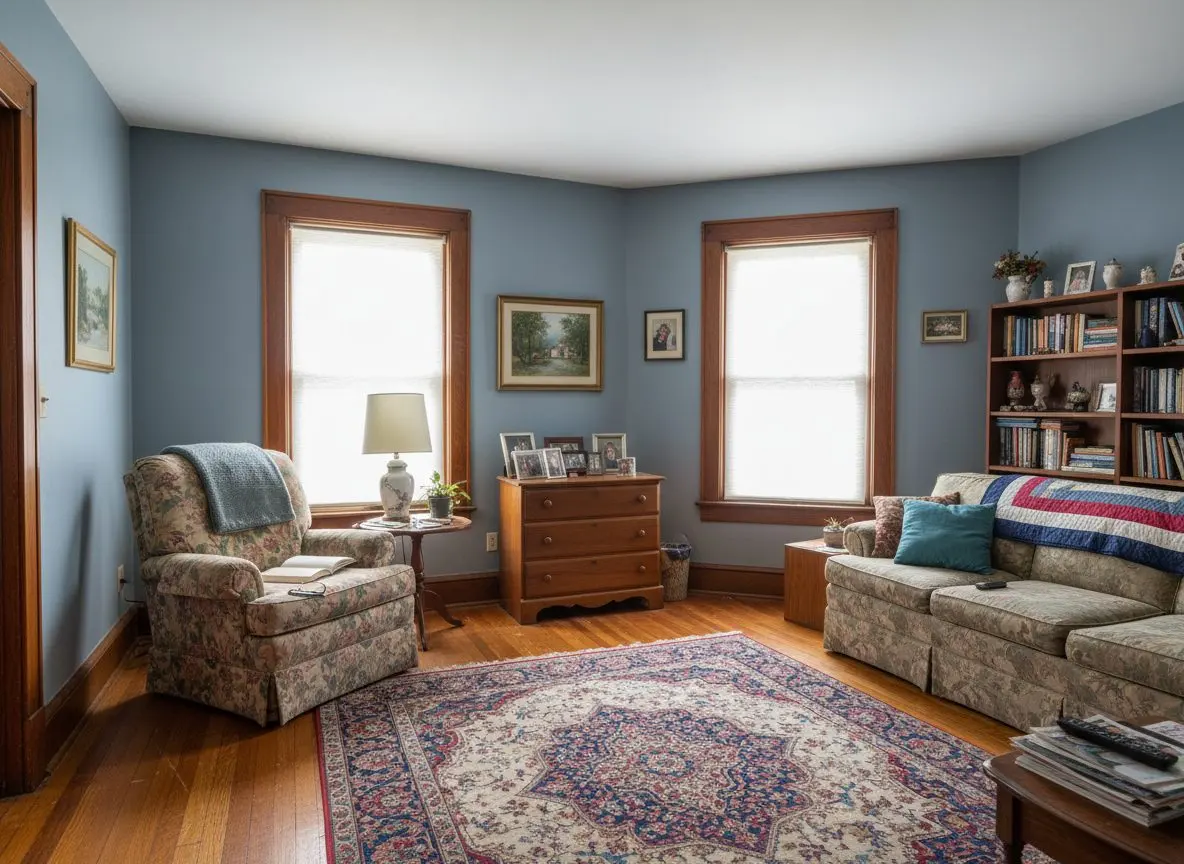
Plaster walls, buried framing and cracks that open in February
The wall is usually plaster on lath, the framing behind it has been moved at least once, and cracks here open in January and close again by July.
- Most repairs here are plaster, not board
- A great deal of Hartford stock went up before 1940, so the wall is three coats of plaster on wood lath, close to an inch thick. A board patch cut to a drywall thickness sits hollow in that, so we pack out with a base coat to meet the old face.
- Nothing behind the wall is where it should be
- These houses have been worked on three and four times. Cutting a neat square for a patch turns up a buried header, an old chase or a stud nowhere near what a tape measure says, so we open a small hole and look before quoting rather than after.
- Cracks here move with the season
- Humid summers and hard, dry heated winters give a Connecticut house a large annual swing, so a crack over a door is at its widest in February and half gone by August. Filling one at its widest is why it comes back, so those get cut out and taped.
Patches in Farmington, Frog Hollow and West Hartford
Real repairs in named towns and neighborhoods, each with the part of it that actually took the time. A finished patch photographs as nothing at all, so the words underneath are the useful half.
-
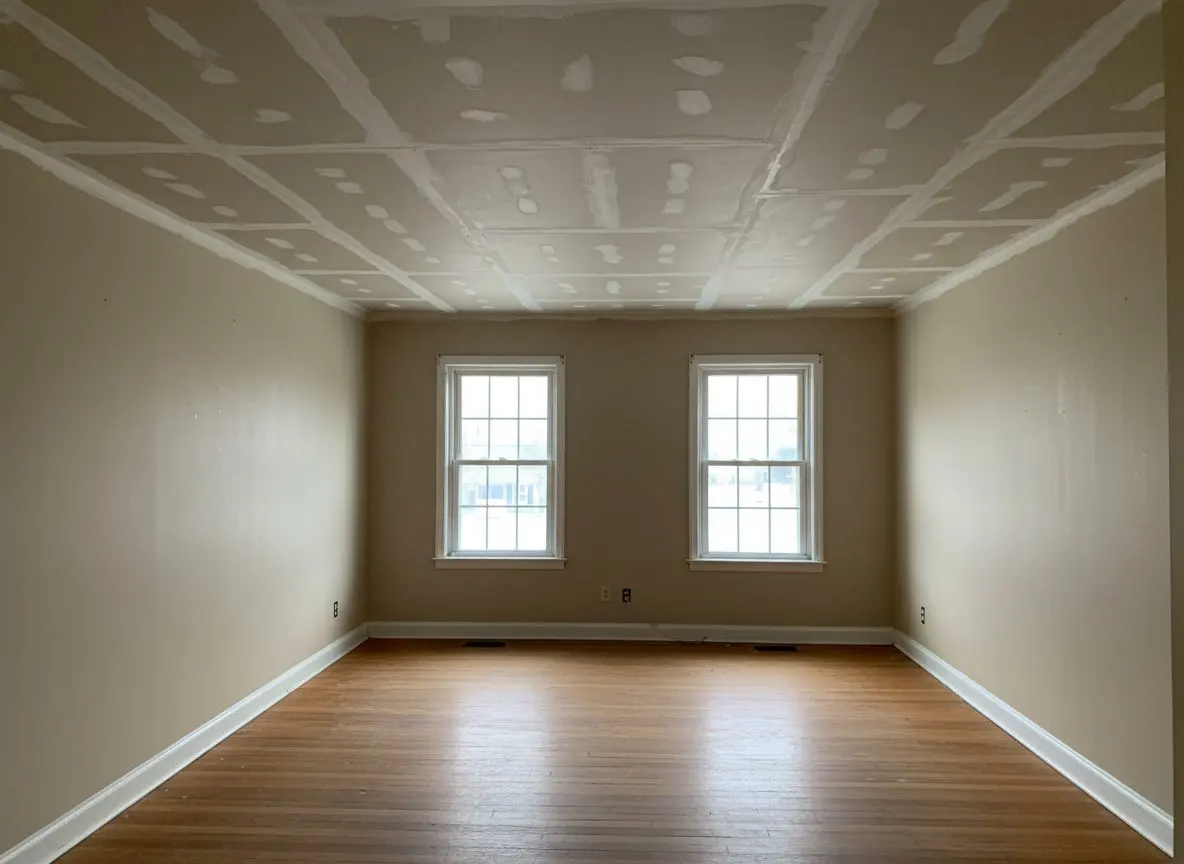
Ceiling cracked along every joint
East Hartford
Nineteen fifties board on a ceiling that had never been taped properly. Every joint cut out, papered in and recoated across the room rather than filled.
-
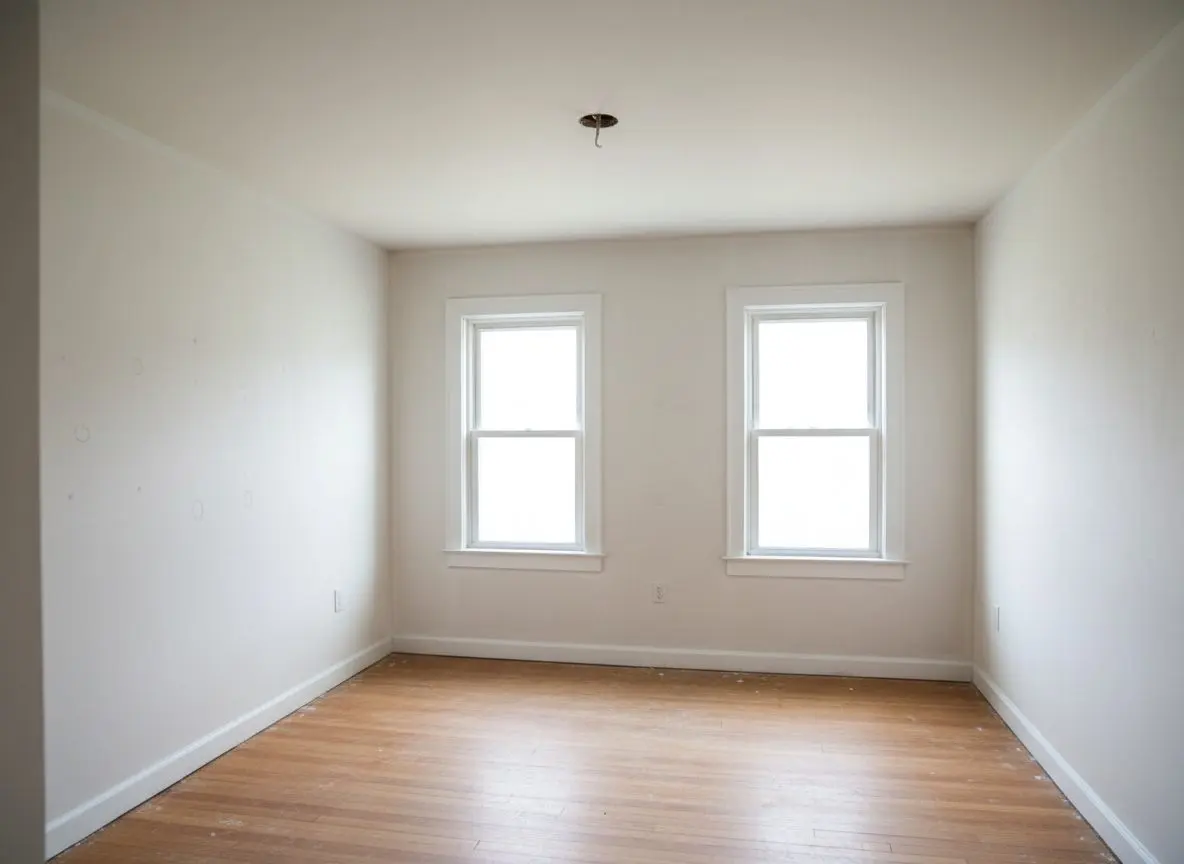
Plaster washered and skimmed
Blue Hills
Front room plaster still keyed in most places and loose in two. Washers into the lath through both areas, then a two coat skim across the whole wall.
-
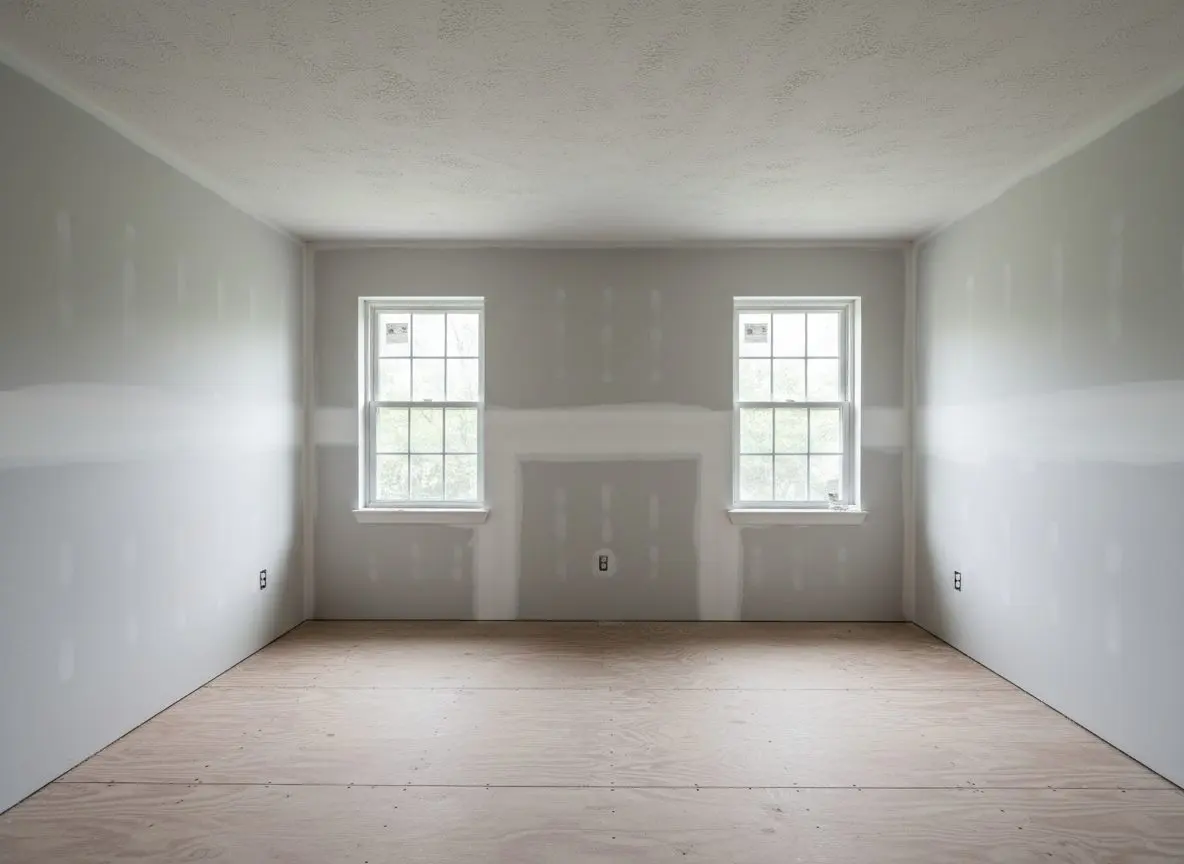
Old doorway closed and patched
Farmington
An opening framed and hung between two plaster walls, packed out to the same thickness either side so no line reads across the finished face.
-
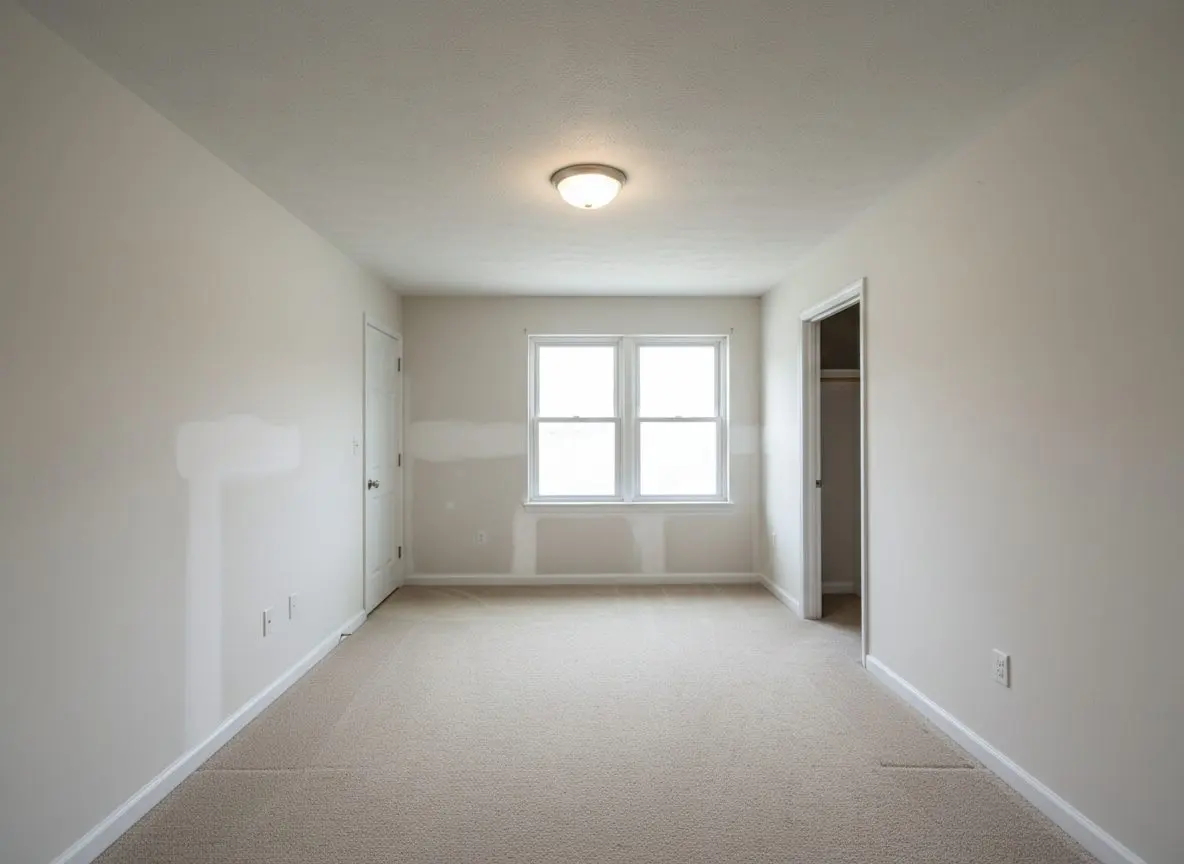
Six apartments patched between lets
Frog Hollow
Doorknob holes, nail pops and one kicked-in closet across six units, worked through in four days to keep the owner's letting dates intact.
-
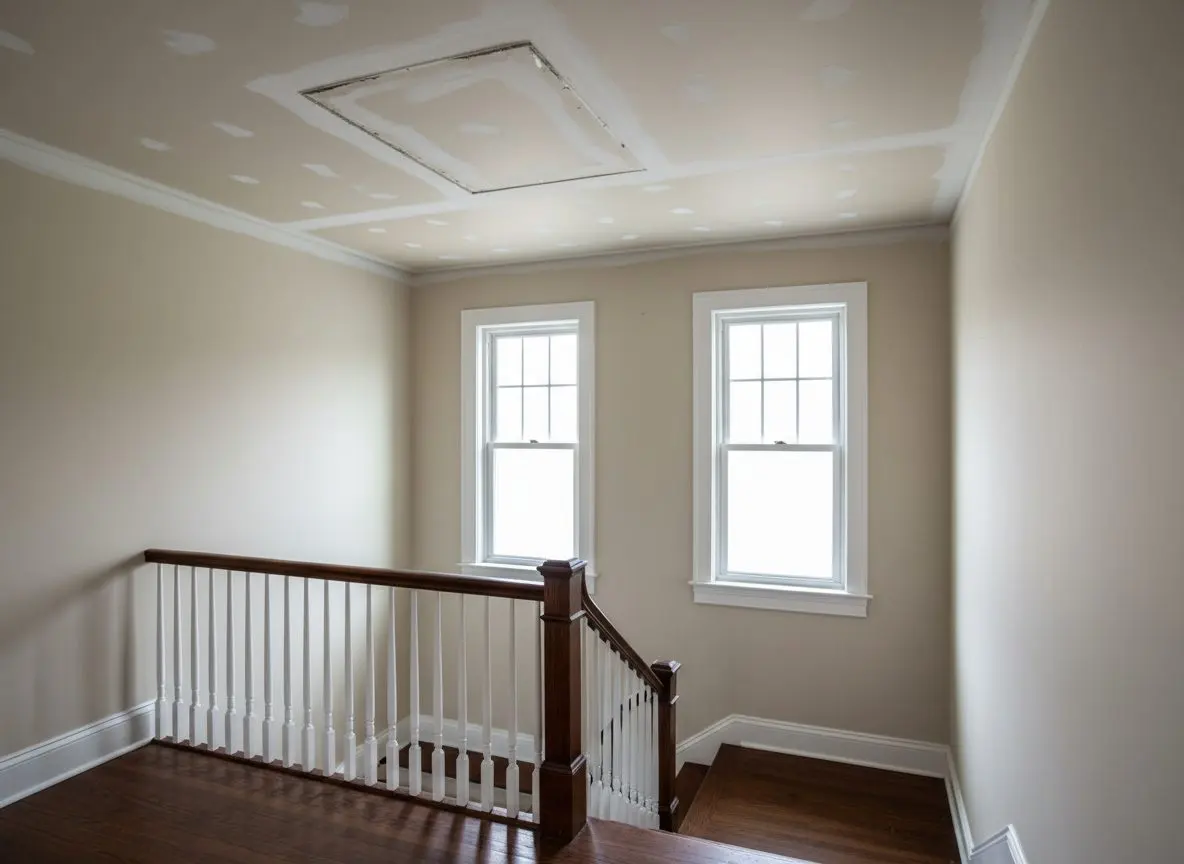
Stairwell ceiling patched
Simsbury
A hole above a turned stair with nowhere to stand. Staging built off the treads, the patch cut, backed and coated, then everything out the same week.
-
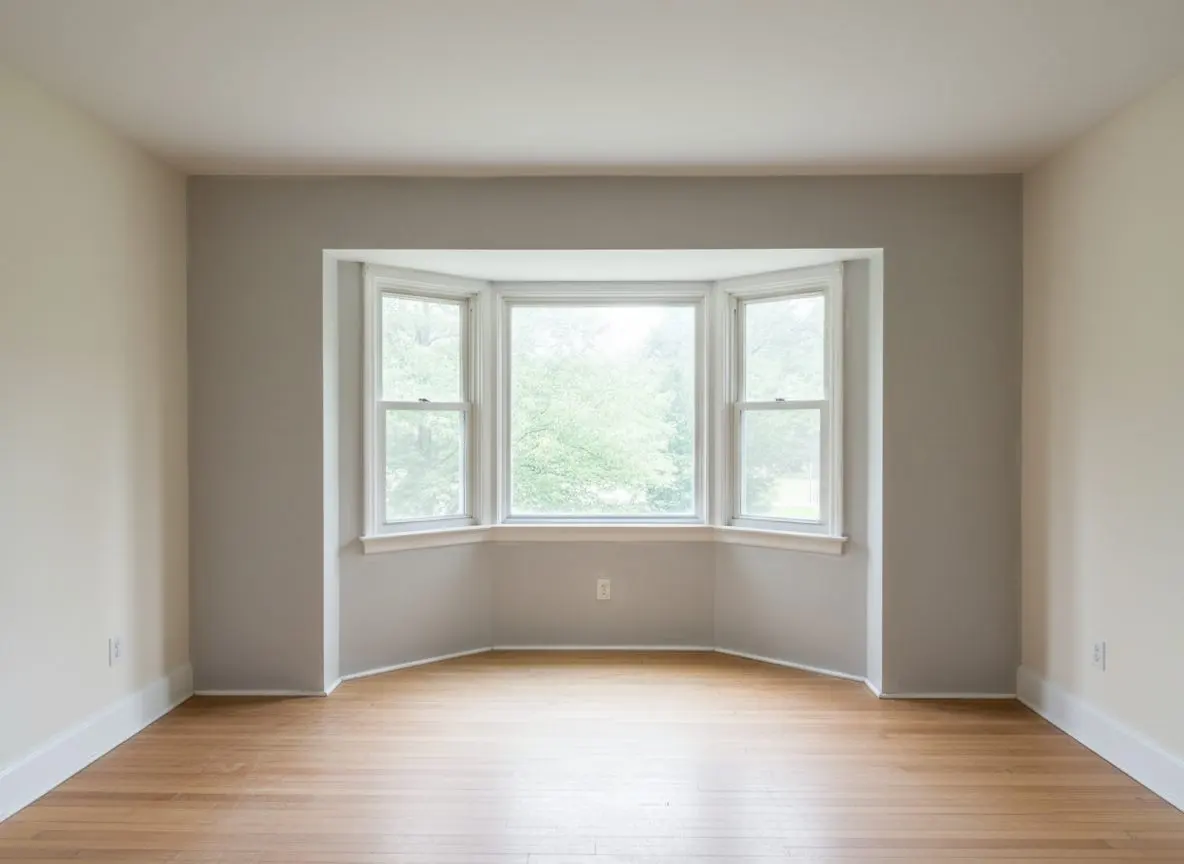
Bay window wall skimmed flat
West Hartford
Three old repairs all showing in low afternoon sun. Rather than add a fourth, the wall went to a full skim between the two corners and stopped there.
What people said once they stopped looking for the patch
-
Rated 5 out of 5
Second floor turned around between tenants in three days, patched, skimmed and primed. The stair stayed clear the whole time.
Kevin R. Frog Hollow Drywall Repair -
Rated 5 out of 5
A pipe let go over the kitchen in March and half the ceiling came down. They stripped it back, then made us wait a week for the framing to dry before boarding. Glad now they did not just cover it.
Angela P. Bloomfield Water Damage Repair -
Rated 5 out of 5
Addition was framed and left for us to sort out. They shimmed the studs straight before ordering a single sheet, and the long wall with the afternoon sun on it does not show a joint anywhere.
Tom D. Glastonbury Drywall Installation
If you would rather see the work than read about it, ask and we will point you at a finished job near you.
Get a free quoteFAQs
Frequently asked questions
What people want to know before a patch is booked
Can you repair plaster, or is it drywall only?
Both, and in these houses it is usually plaster. Loose plaster gets screwed back to the lath with plaster washers, blown areas are cut out and packed to the same thickness with board and a base coat, and the whole area is skimmed over so the repair meets the old surface flush.
Do you fix what caused the damage, or only the wall?
Only the wall, and we will tell you plainly when the cause is still live. A stain that is still growing means a roof or a pipe, and putting new board over it hides it for a season and no longer. We will say what needs doing first and come back once the cavity behind it is dry.
How long does one hole actually take?
Three short visits over three days rather than one. Cutting, backing and taping is the first, a second coat the next day, then the last coat and the sanding. Compound has to dry between coats, and rushing that is what makes a patch shrink back and show.
Do you skim the whole wall, or only the patch?
Only the patch, where the wall around it is flat and evenly lit. A wall raked by a window, or already wavy from earlier repairs, gets skimmed corner to corner, because a perfect patch in a wall that undulates still shows up as a flat spot in a wavy field.
Is one big hole cheaper than six small ones?
Usually, yes. Most of the cost is set up, protection and the waiting between coats, and six holes in six rooms means all of that six times over. One large hole is one square to cut, one piece of backing and one area to feather out.
How much of the room do you need for one patch?
Enough to stand a small stepladder and lay a sheet down, so roughly the width of that wall and six feet out from it. Furniture moves to the middle of the room and gets covered rather than carried out, and the room stays usable in the evenings between our visits.
What actually goes in the hole, and will it shrink?
Board or plaster of the same thickness as what came out, screwed to backing, then setting compound over paper tape. Setting compound hardens by chemical reaction rather than by drying out, so it barely moves. Filler scooped out of a tub into a deep hole is what sinks and rings.
Can you come while we are out at work?
Yes, and a good number of repairs run that way. We need a key or a code, somewhere to park and a note of anything that must not be moved. Somebody calls before arriving each morning, and the house is locked and you get a message when the crew leaves for the day.
Will the patch show once the wall is painted?
Not if it is primed first. Bare compound drinks paint faster than the wall around it and dries to a duller sheen, which is the flashing people mean when they say they can still see the repair. Every patch is primed before we leave so a painter rolls over one even surface.
There are nail pops across a whole wall. Is that a repair?
Yes, and a common one in a house whose framing is still moving. Each pop takes a screw set beside it into the stud, the old fixing driven below the surface or taken out, then two coats and a sand. Doing them one at a time as they appear costs far more than doing the wall in one visit.
Can you put back corner bead that has cracked off?
Yes. The old bead comes off rather than getting filled over, because a bead that has let go once will do it again under the new compound. A paper-faced metal bead is nailed on in its place, bedded in compound and coated twice, and it holds an corner that a stuck-on vinyl one does not.
Do you repair plaster crown molding, arches and medallions?
No, and we would rather say so than make a mess of it. Running a molding in place and casting an enrichment to match is an ornamental plasterer's trade. We do flat work, walls and ceilings, so we will work up to somebody else's crown molding and leave the decorative repair to them.
Hartford Drywall Pros
Small repairs start inside two weeks, no matter how far out the big jobs are booked.
Hartford Drywall Pros hangs, tapes, finishes and repairs walls and ceilings across Hartford, in houses that range from new construction to pre-1940 plaster over lath. Four crews finish about two hundred and forty jobs a year, and a small repair usually starts inside two weeks even while a whole floor is booked further out. Trading here since 2007.
What nineteen years in Hartford's oldest houses taught us
- Nineteen years working pre-1940 lath and plaster, trading since 2007
- A screw goes into the wall before the quote, so we know board from plaster first
- Small repairs start inside two weeks, even when the big jobs are booked further out
- Nor'easters and ice dams are priced into how we protect a ceiling before we open it
- We prime what we finish, so you can actually see the work before we leave
If a wall has gone soft after a storm, an old ceiling needs opening up, or a room needs drywall from scratch, call (860) 847-8709 and somebody will come and look at it. We will tell you on that visit whether it is board or lath and plaster behind the surface, and the written quote follows the visit, never before it.
Give us a call
office@hartforddrywallpros.com
Send us a message
100 Pearl St, 14th Floor, Hartford, CT, 06103
Where to find us