
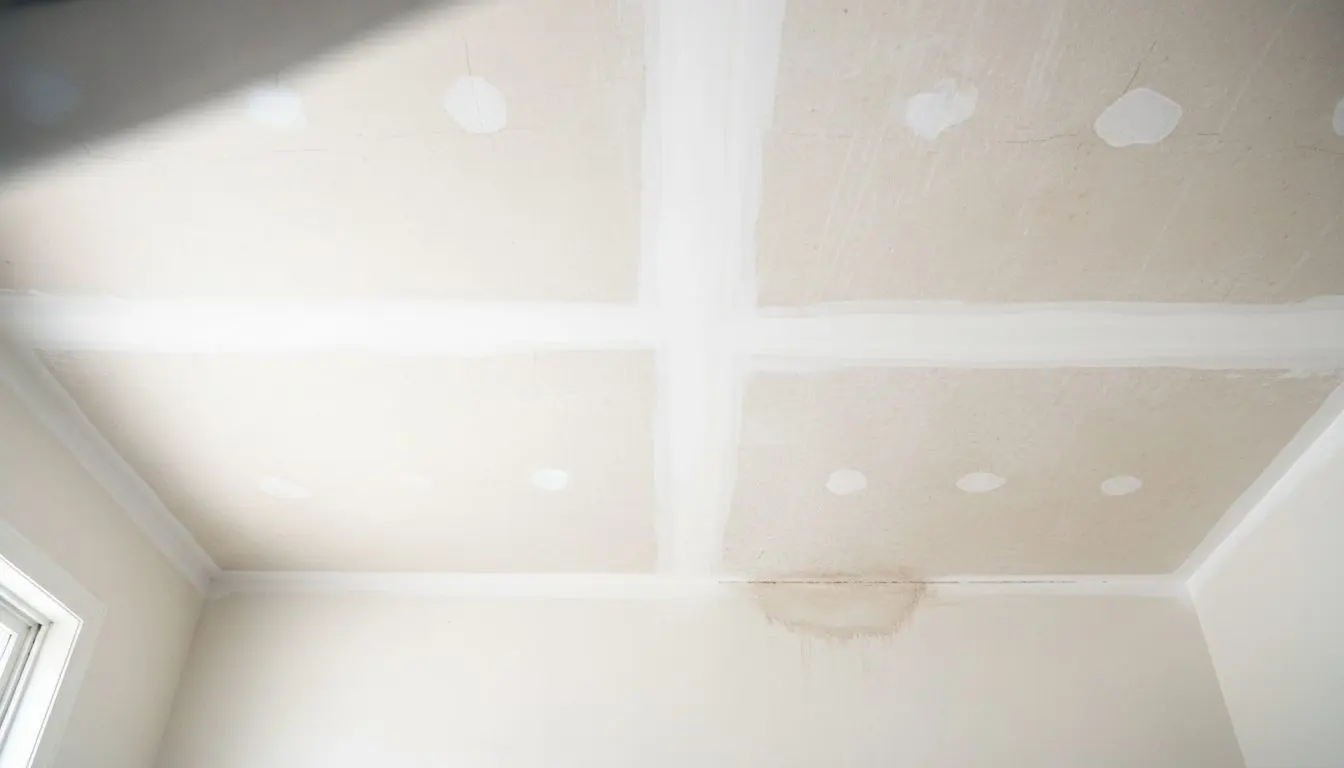
Water Damage Repair in Hartford
Water damaged walls and ceilings put right in Hartford
Wet board cut back to dry framing, the cavity dried until a pin meter says so, then rehung and matched into the surface beside it.
Putting a room back after an ice dam or a burst pipe
You get the wall or the ceiling back with nothing to show where the water went, and no stain bleeding through next winter.
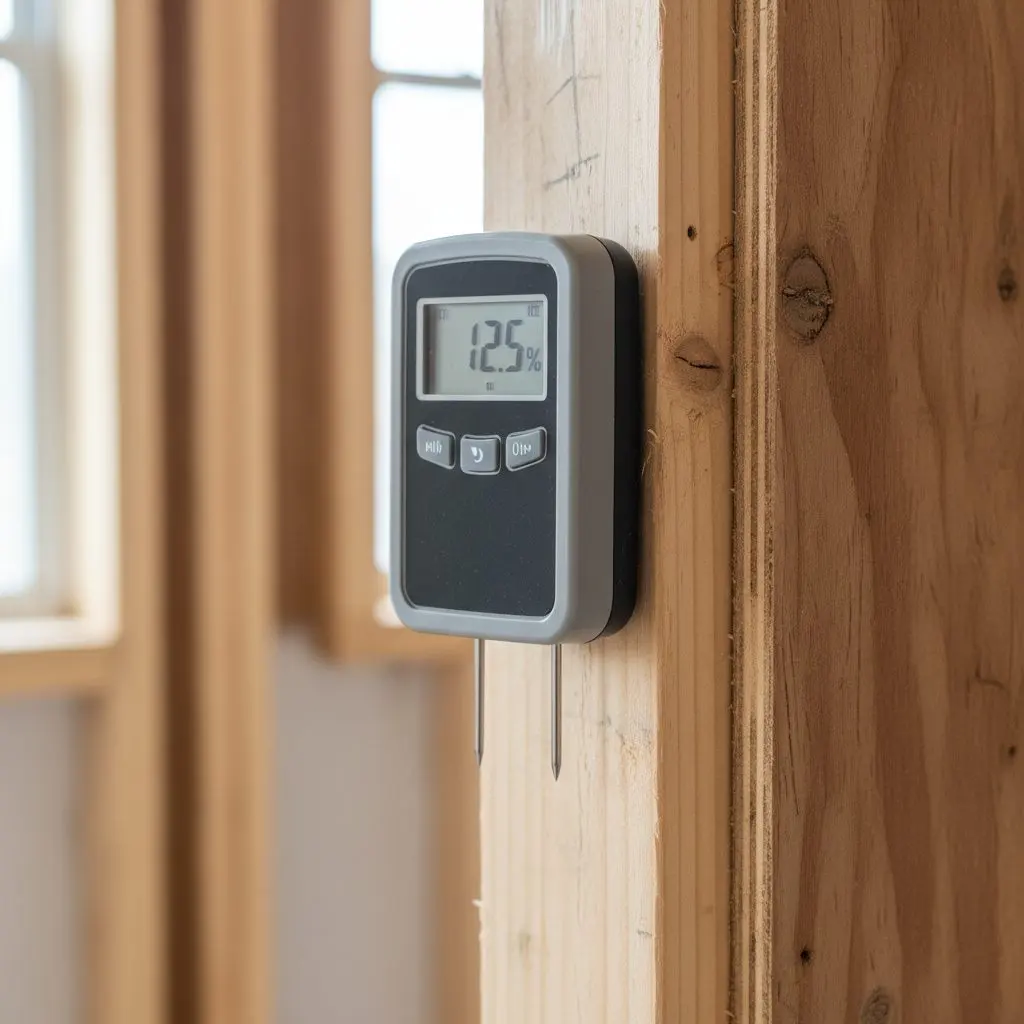
This covers what the water left behind, so stained and soft ceilings, blown wall board, failed tape and plaster after an ice dam, a roof leak, a burst pipe or an overflowing bath, including drying the cavity and putting the finish back. A ceiling that was already sagging before any water reached it is ceilings. The leak itself is a roofer's or a plumber's job, and we will tell you which to call first.
Around sixty of the jobs we finish in a year start with water, and the run from the middle of January to the end of March is most of them.
Ceilings stained or bulging after an ice dam, wall board blown out under a window, bathroom floors that have let go into the room below, basement walls after a spring flood, and whole rooms put back once a burst pipe has been fixed. Nothing new goes up until a pin meter reads the framing dry rather than the surface, because board fixed against a wet stud grows mold behind a finish that looks perfect for about a year.
A homeowner who found a brown ring over the stairs in February, and a property manager with a second floor bathroom that has been leaking into the apartment underneath it.
Call for a free assessment at (860) 847-8709. You will stop putting a bucket down and watching that stain every time it rains and start using the room without looking up!
Drying it, hanging it and stopping the stain returning
Everything from the first meter reading to a primed surface that matches the one next to it.
- Moisture readings before anything is opened
- Soft board cut back to sound framing
- Soaked insulation bagged and taken away
- Cavity dried and read again before hanging
- New board taped in paper and coated
- Texture matched into the old surface
- Stain blocking primer over the repair
Cut back the wet section, or replace the whole surface
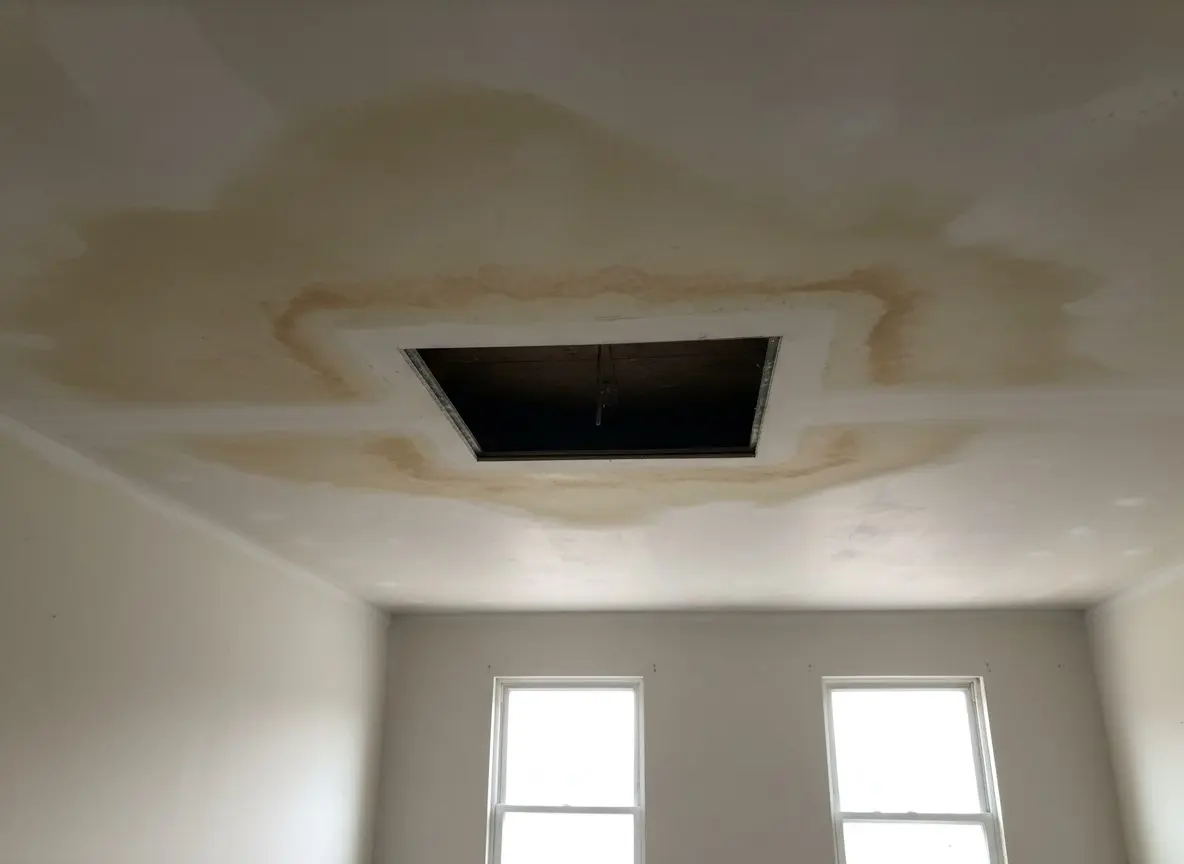
Most water damage is a good deal smaller than the stain makes it look.
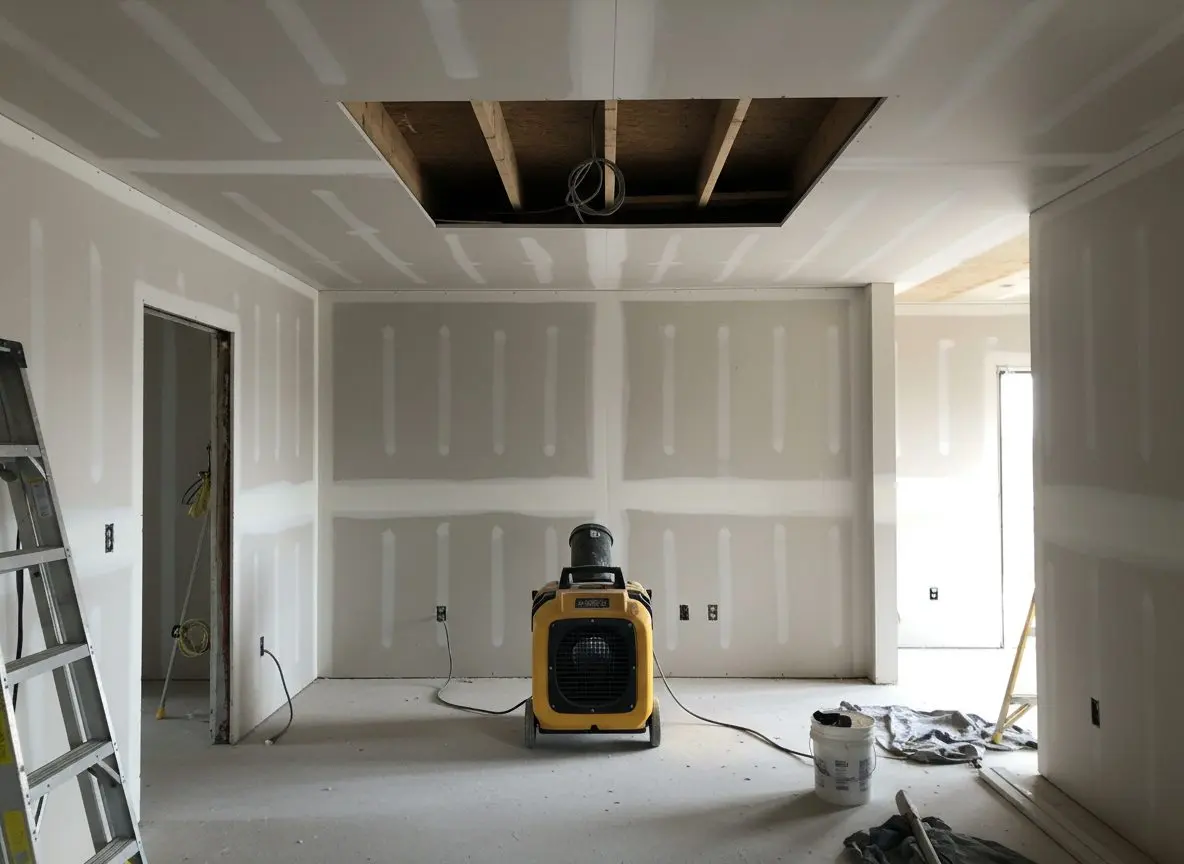
Cutting back works when the water came from one place and has stopped, when the framing behind reads dry after a few days, and when the surface around it is flat and painted rather than textured. You lose a square of board and a day of finishing instead of a ceiling.
The whole surface comes off when the board has gone soft over a wide area, when there is insulation above it still holding water, or when a heavy texture means a square patch would never disappear. Drywalling over a wet cavity seals the water in, and the smell arrives long before the stain does.
We tell you which on the visit, with the meter in our hand, including when it is the smaller job. Where two readings a few days apart agree that the framing is dry, the quote is for the patch and not for the ceiling.
Meter readings, glass-mat panels and a shellac blocker
Nothing gets hung until a pin meter reads the framing dry, not the surface.
Wet board is cut back to the nearest joist or stud each side, so the new sheet lands on solid framing. Insulation that has taken water comes out and is replaced, because it holds water long after the wood looks dry.
The cavity is dried with air movers and a dehumidifier, and readings are taken with a pin meter into the framing rather than a surface scanner before anything is closed up.
Repairs go back in half-inch board on walls, five-eighths on ceilings, or a glass-mat gypsum panel where water may return, and joints are taped in paper bedded in setting compound. Old stains take a shellac based blocker rather than ordinary primer, which is what stops a brown ring coming back through paint.
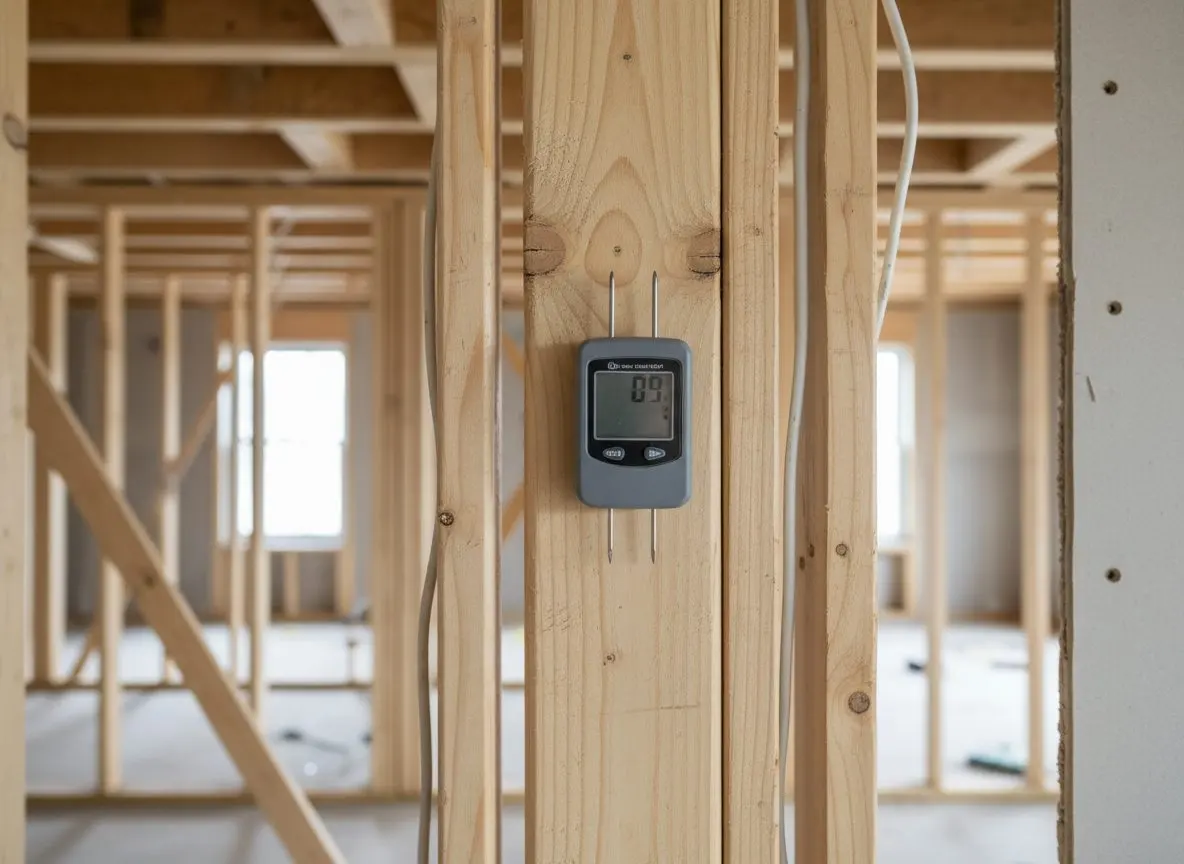
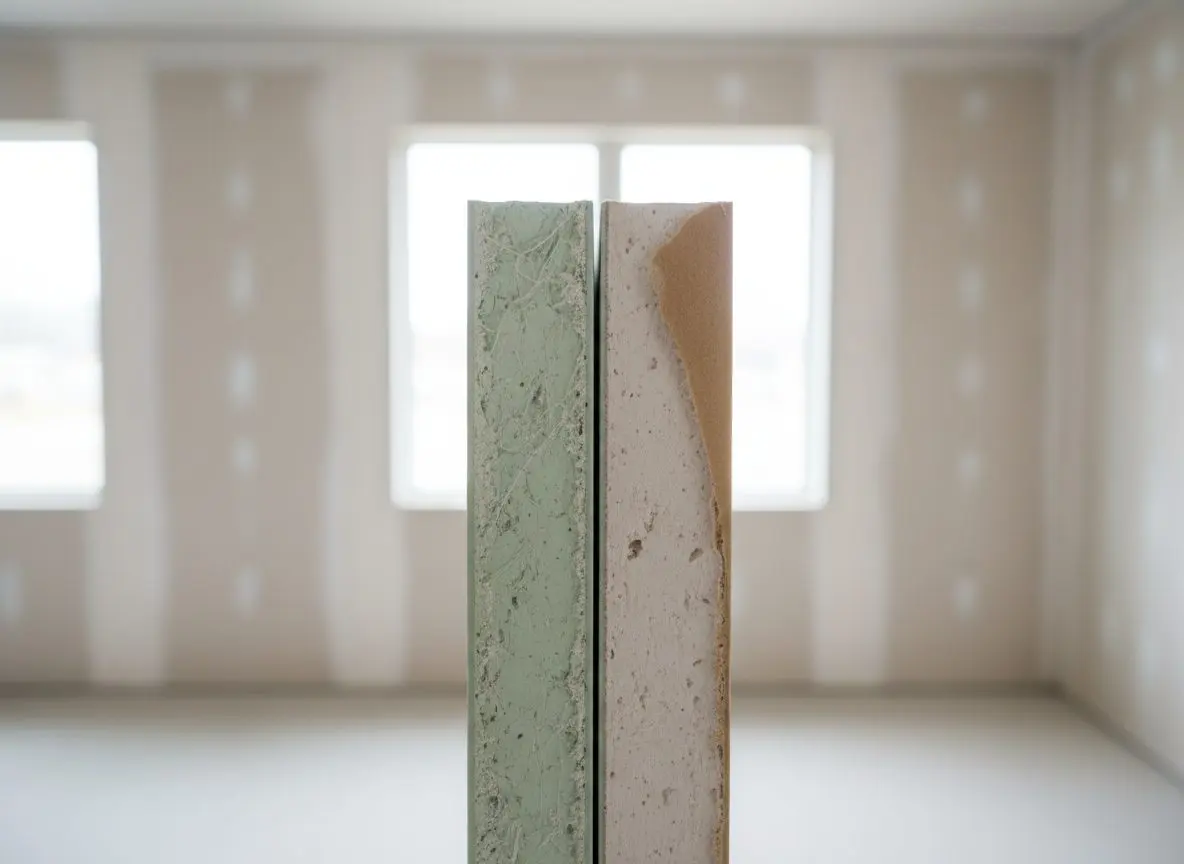
- Pin meter readings taken into the framing
- Cut back to the nearest joist or stud
- Wet insulation removed, not dried in place
- Glass-mat panel where water may return
- Shellac based blocker over old stains
- Paper tape, three coats, texture matched
Ask the other two quotes which board and which finish level they mean. Then call us and we will name ours.
(860) 847-8709What moves the price of a water damage repair
The stain on the surface is rarely the size of the job. How far the water traveled, what it soaked into and how long it sat there decide nearly all of it.
- How far the water traveled
- Water runs along the top of a ceiling and down the inside of a wall until it finds a joint. A stain over the sofa can mean wet framing eight feet away, and we open up until the meter goes quiet.
- How long it sat there
- A leak found the same evening is a patch. The same leak found in April, after running quietly since January, means soaked insulation, growth on the framing and a ceiling that comes down entire.
- Drying before rebuilding
- Equipment left running for two or three days is the honest way to close a cavity, and it is a real cost with a result you can read off a meter. Skipping it is what turns one repair into two.
- What has to be matched
- A flat painted wall takes a patch nobody sees. A knockdown ceiling, a skip trowel wall or an old plaster surface has to be matched across the whole area, and the matching takes longer than the hanging.
- Where the damage is
- A repair over a stairwell, above a fitted kitchen or on a top floor with no access is slower before any board is cut. Reaching it and protecting what sits underneath it can take half the day.
- What has to leave the property
- Wet cellulose, soaked mineral wool and any framing showing growth all have to come out, be bagged and go. That is separate work with its own haulage, and it happens before the rebuild starts.
Which of these apply to your job is settled on the visit rather than on the phone, and the quote says which ones we found. Get a free quote
From your first call to the day we sweep up and go
Three to seven days on site for most jobs, and the dust and the noise are done inside the first two.
Call and we will come out, look at the actual wall and tell you what it needs.
Get a free quoteWhat a moisture meter still finds at the sale
Water damage is the one defect a buyer's inspector is guaranteed to go looking for.
There is no published figure for what a water damaged ceiling costs a house at sale, because no remodeling survey measures repairs as a line of their own.
The Cost versus Value report covers whole projects in New England and stops there, so any percentage put against a patched ceiling on this page would be made up. What matters instead is which of your decisions hold up under an inspection.
A repair cut back to dry framing, with meter readings written down, is a repair with an end date on it. A stain painted over still shows on a moisture meter years later and reads as a leak nobody dealt with, which is the finding that moves money at closing.

Ice dams, nor'easters and where the water actually comes out
Ice dams push water back under the shingles every winter, storm remnants drive rain at the walls sideways, and a century of alterations decides where it comes out.
- February ice dams, every single winter
- Snow sits on a roof, melts over a warm attic and refreezes at the cold eave until water backs up under the shingles. It comes in at the top of an outside wall or a ceiling edge, and most of our winter work is within three feet of an eaves wall.
- Storm rain arrives sideways here
- Nor'easters and the tail ends of hurricanes drive rain against the wall rather than onto the roof, so water gets in at window heads, siding joints and chimney flashings. It then shows on an interior wall well below the point where it actually got in.
- Water follows a century of alterations
- These houses have been renovated three and four times, so pipes run in bays nobody would choose and old openings sit buried behind board. Water follows the framing and the pipe runs, and finding where it stopped means opening up rather than guessing.
Water jobs in Bloomfield, Windsor and Rocky Hill
Water jobs finished and handed back, with what the water had actually done written underneath rather than left to the photograph.
-
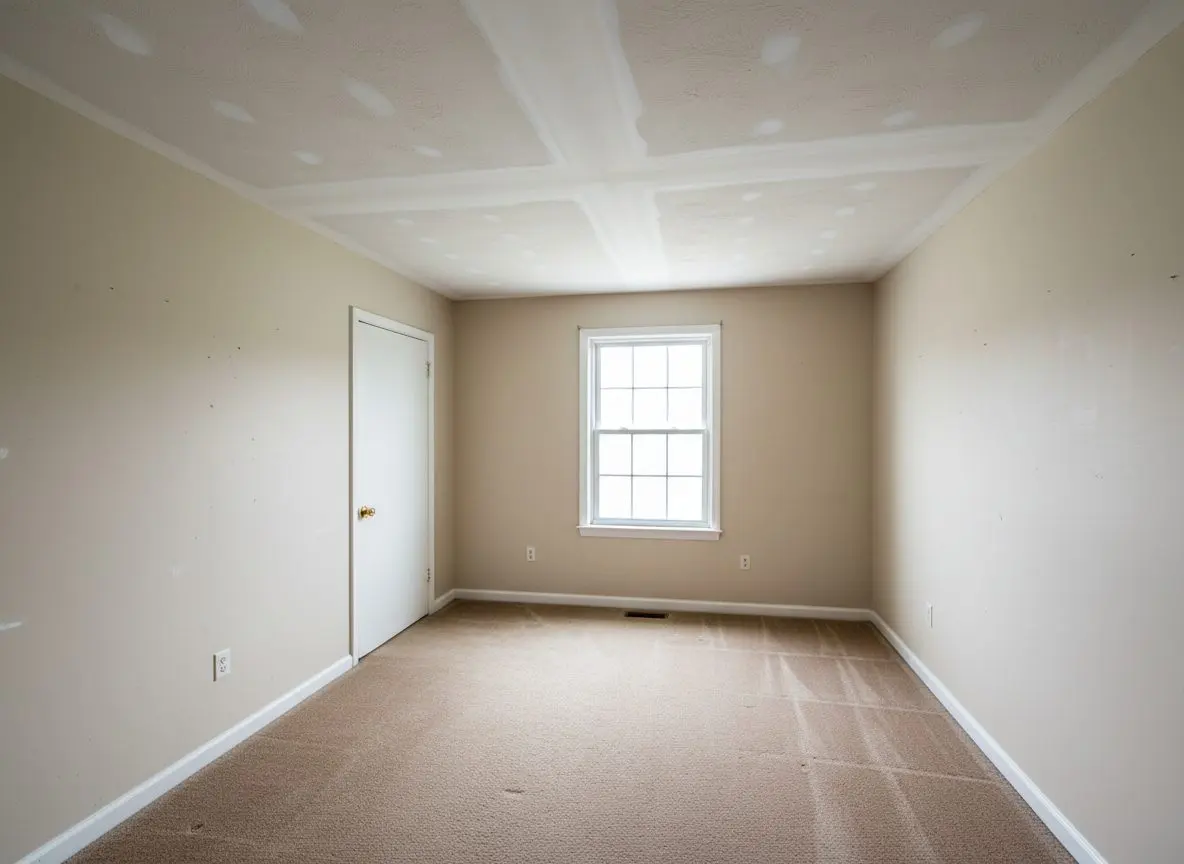
Burst pipe through two floors
Newington
A supply line let go in an attic bathroom. Ceilings out in two rooms, the framing dried for four days, then rehung and matched into the old texture.
-
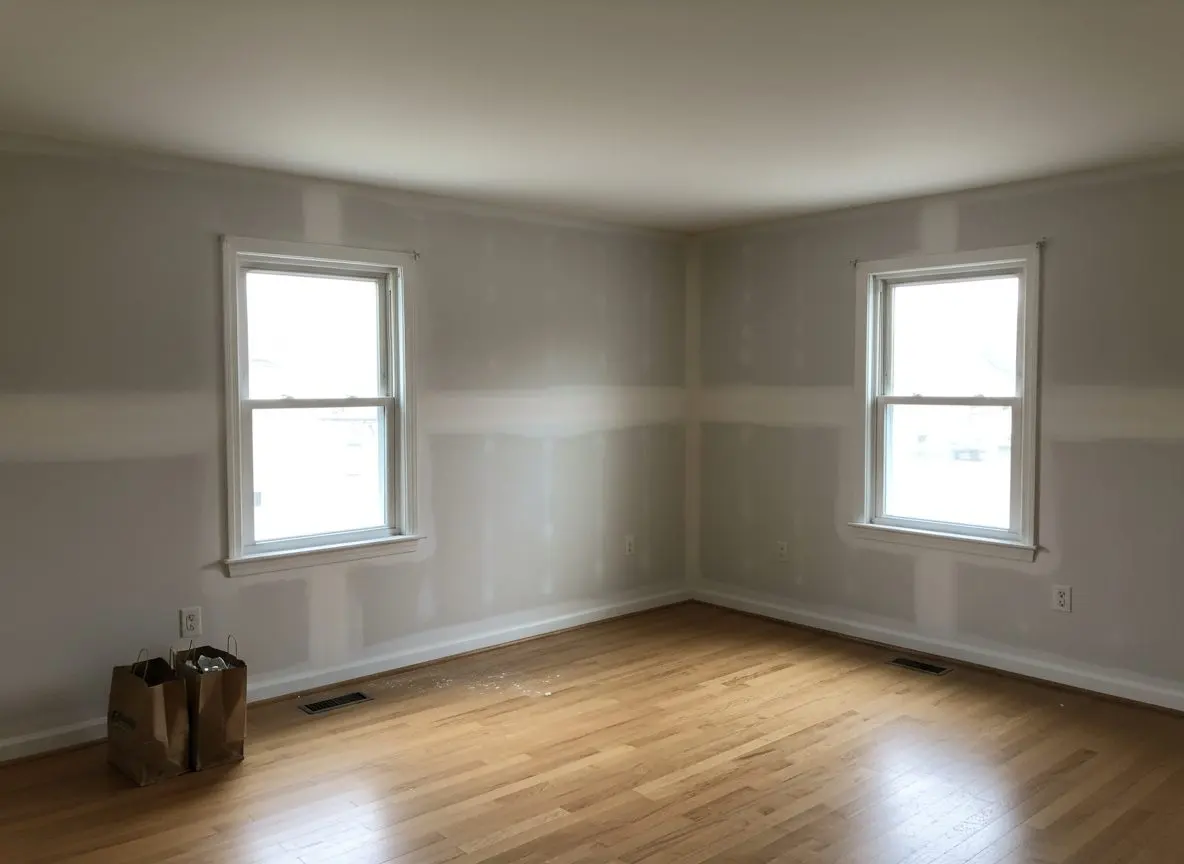
Ice dam along a whole eaves wall
Bloomfield
Water in at the top of an outside wall for most of February. Board cut back three feet down, wet cellulose bagged out, dried and rebuilt.
-
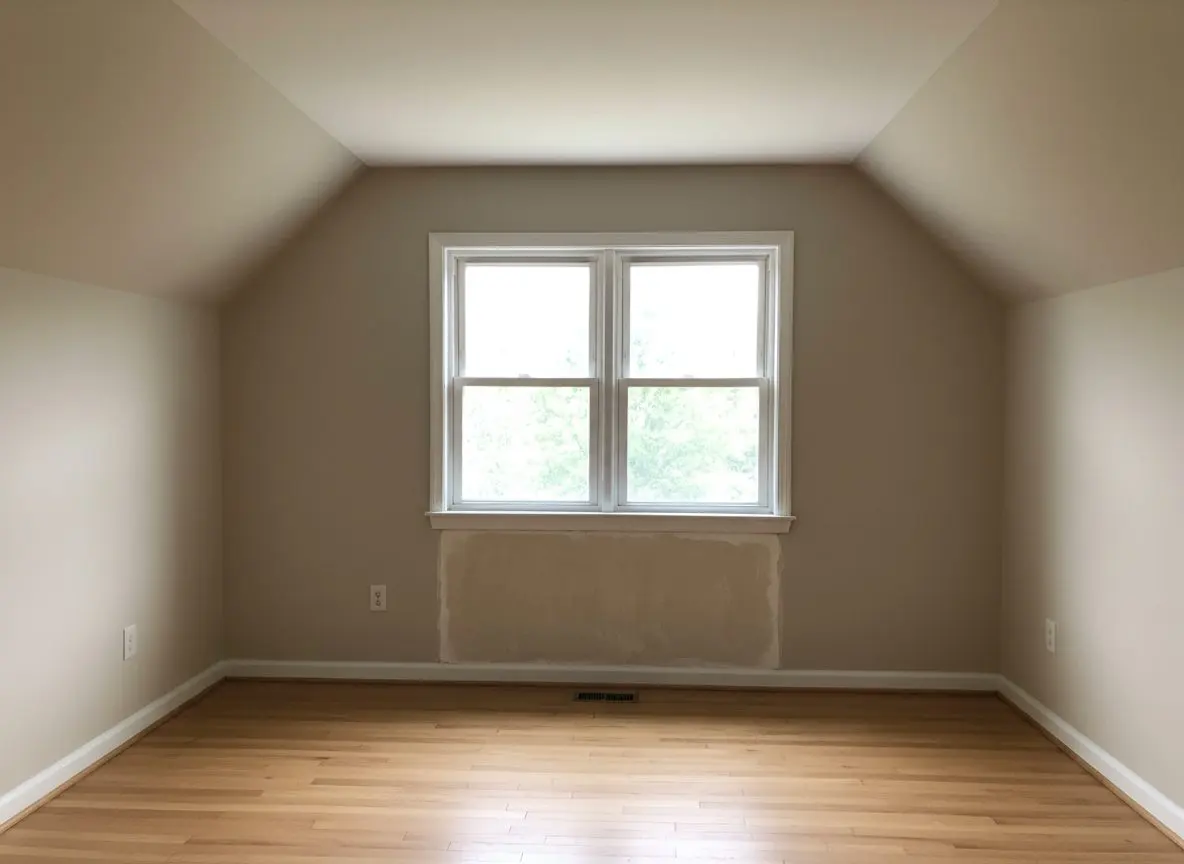
Storm rain in at a chimney
Windsor
A nor'easter drove water past the flashing and down inside two walls. The wet sections were replaced and the skip trowel texture matched across the join.
-
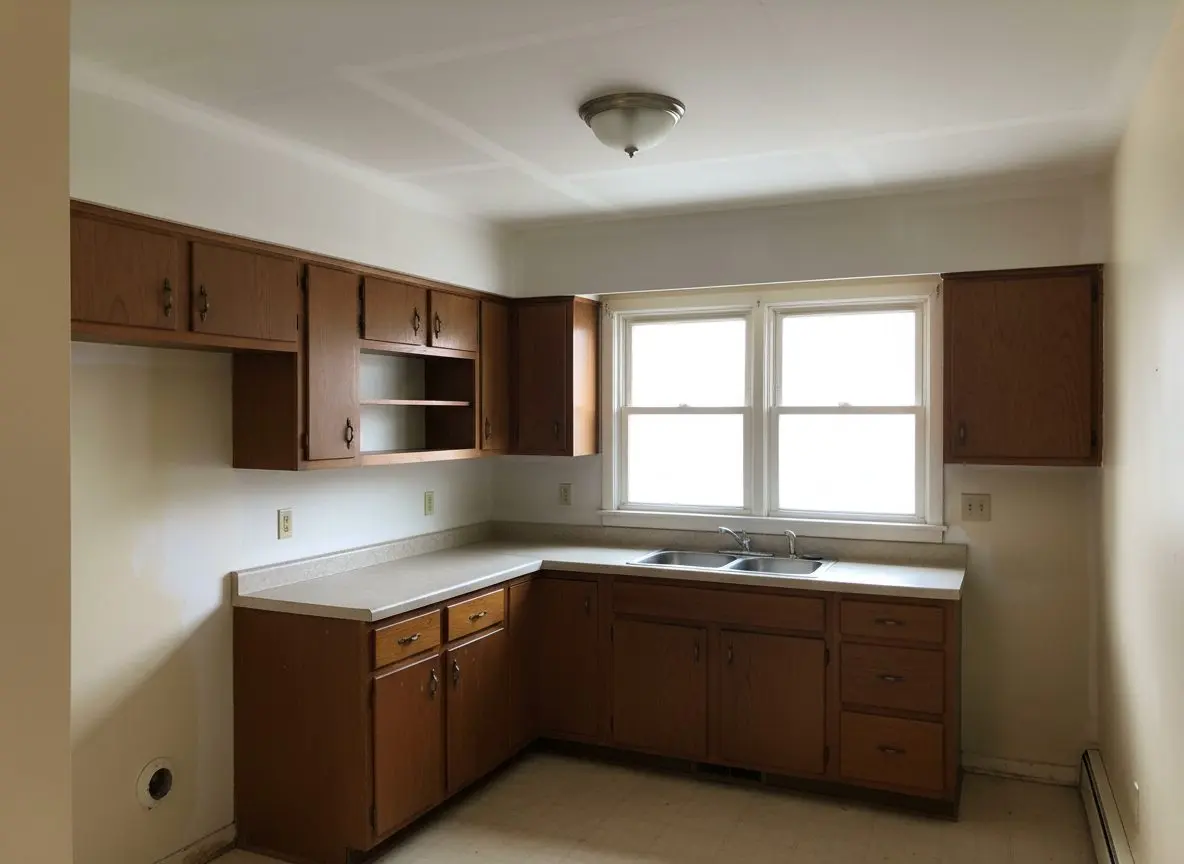
Bathroom leak into the kitchen
Rocky Hill
The waste pipe had been weeping since the previous owner. Ceiling down over the units, dried for three days, then glass-mat board and a flat finish.
-
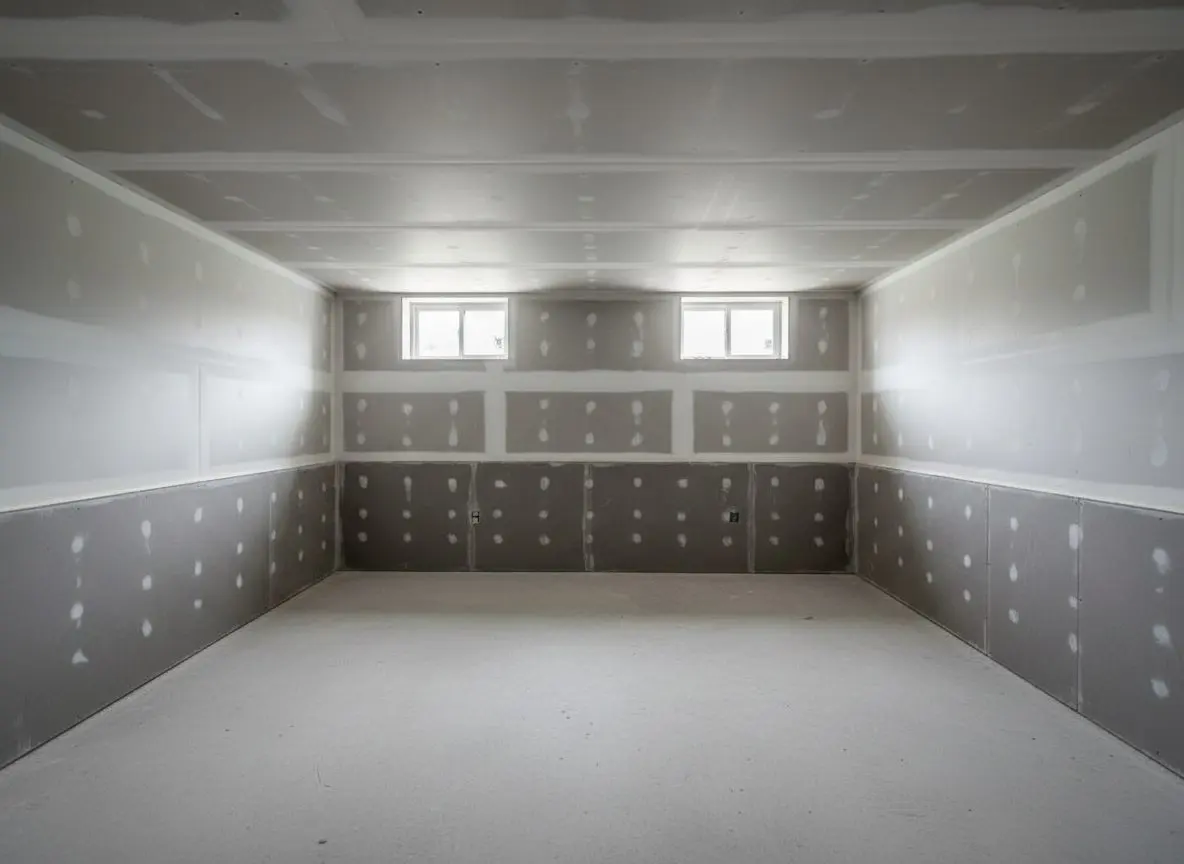
Basement wall after a wet spring
East Hartford
Board cut back two feet all round, the studs left open to dry for a week, then a glass-mat panel put back above the line the water had reached.
-
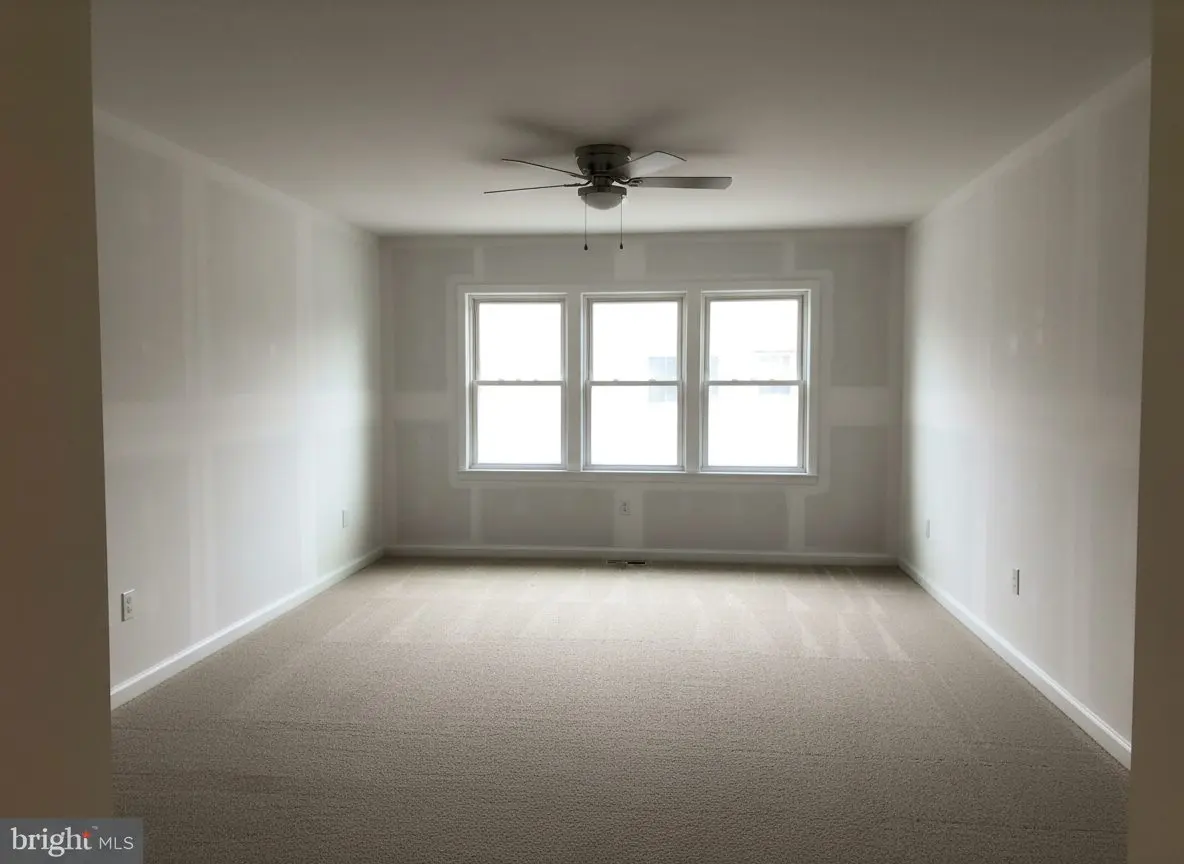
One roof leak, three apartments
Blue Hills
Water tracked down through all three floors. Worked from the top down over two weeks, with each tenant back in their own rooms inside the same week.
What people said the winter after we put it back
-
Rated 5 out of 5
Second floor turned around between tenants in three days, patched, skimmed and primed. The stair stayed clear the whole time.
Kevin R. Frog Hollow Drywall Repair -
Rated 5 out of 5
A pipe let go over the kitchen in March and half the ceiling came down. They stripped it back, then made us wait a week for the framing to dry before boarding. Glad now they did not just cover it.
Angela P. Bloomfield Water Damage Repair -
Rated 5 out of 5
Addition was framed and left for us to sort out. They shimmed the studs straight before ordering a single sheet, and the long wall with the afternoon sun on it does not show a joint anywhere.
Tom D. Glastonbury Drywall Installation
If you would rather see the work than read about it, ask and we will point you at a finished job near you.
Get a free quoteFAQs
Frequently asked questions
Questions people ask us in the week after a leak
Do you deal with the insurance company for me?
We give you what the adjuster asks for and you deal with them, which is the honest division. That means photographs before anything is opened, meter readings written down with dates, and an itemized scope of what has to come out and go back. Most claims turn on evidence gathered in the first two days.
How do you know it is dry before you close it up?
Pins into the framing, in several places, on two visits a few days apart. A surface scanner reads the face of the board and tells you very little about a stud behind it. What we are looking for is a reading that has stopped falling and matches unaffected wood in the same room.
The stain keeps coming back through the paint. Why?
Because the water carried tannin and soot out of the timber and the dust above the ceiling, and ordinary latex primer does not stop either. A shellac based blocker does. If the stain is still growing rather than just showing, the leak has not stopped and no amount of paint is the answer.
Do you fix the leak as well?
No, and nothing gets closed up until somebody has. We will tell you what it looks like from the inside, which usually points at a roofer, a plumber or a flashing detail, and we are happy to be there when they are so the opening we have made gets used rather than patched twice.
How soon can you start after a pipe has burst?
We come out the same day or the next to open it up and get air moving, because the first forty eight hours decide how much comes out. The rebuild starts once the framing reads dry, which is usually three to five days later, and we book that date while the equipment is still running.
Is there mold behind it, and do you treat it?
Anything wet for more than two or three days usually has some. Small areas of surface growth on framing get cleaned and the wet material comes out, which is what actually stops it. Where it covers a wide area or anybody in the house is unwell, that is a remediation contractor's job and we say so.
Does the insulation above the ceiling have to come out?
If it got wet, yes. Cellulose mats down and stays damp for weeks, and wet mineral wool sits against the framing and keeps it wet. Both come out, get bagged and leave, and new goes in before the board does. Leaving it is the cheapest decision on the day and the most expensive one by spring.
How far does the water travel from the actual leak?
Further than the stain suggests, and usually sideways. Water runs along the top of a ceiling until a joint lets it through, and down the inside face of a wall until it hits a plate. We have opened ceilings eight feet from where a drip was and found the wet framing there rather than above the mark.
Do you come out at the weekend when a storm hits?
Yes, for water. A ceiling holding water needs a hole punched in it to let it down in one place rather than across the room, and that is worth doing on a Sunday. Everything else waits until Monday. Call the number and it goes to the owner's phone rather than to an answering service.
What should I do before you get here?
Turn the water off if it is a pipe, move what you can out from underneath and put a bucket where it is dripping. If a ceiling is bulging, keep everybody out of that room and do not push at it. Photograph everything before you move it, because that is what an adjuster will want to see.
Should I claim on this or just pay for the repair?
That depends on your deductible and your claims history, and it is your call rather than ours. What we can do is give you a written scope early enough for you to decide before the work starts. Small single ceilings are often paid for directly; anything that has run through two floors rarely is.
Can you do this with the tenants still in the apartment?
Usually yes, one room at a time, with the room sealed off and the drying equipment set to run overnight. Air movers are noisy, which is the part tenants notice most, so we tell them how many nights it is. Where a kitchen or the only bathroom is affected we work around that first.
Hartford Drywall Pros
Small repairs start inside two weeks, no matter how far out the big jobs are booked.
Hartford Drywall Pros hangs, tapes, finishes and repairs walls and ceilings across Hartford, in houses that range from new construction to pre-1940 plaster over lath. Four crews finish about two hundred and forty jobs a year, and a small repair usually starts inside two weeks even while a whole floor is booked further out. Trading here since 2007.
What nineteen years in Hartford's oldest houses taught us
- Nineteen years working pre-1940 lath and plaster, trading since 2007
- A screw goes into the wall before the quote, so we know board from plaster first
- Small repairs start inside two weeks, even when the big jobs are booked further out
- Nor'easters and ice dams are priced into how we protect a ceiling before we open it
- We prime what we finish, so you can actually see the work before we leave
If a wall has gone soft after a storm, an old ceiling needs opening up, or a room needs drywall from scratch, call (860) 847-8709 and somebody will come and look at it. We will tell you on that visit whether it is board or lath and plaster behind the surface, and the written quote follows the visit, never before it.
Give us a call
office@hartforddrywallpros.com
Send us a message
100 Pearl St, 14th Floor, Hartford, CT, 06103
Where to find us